
In 1980, France had 38,876 priests. By 2024, that number had fallen to 12,590 — a 68 percent drop. Diocesan priests alone declined from 31,481 to 9,095. Parishes shrank even faster, from 38,391 to 10,925, a 72 percent reduction. Infant and overall baptisms plunged from 513,501 to 186,165. Religious marriages fell from 217,479 to 40,678. The share of baptized Catholics in the population slipped from 84.7 percent to 74.9 percent. Professed religious women dropped from 87,044 to 17,452. Major seminarians declined from 1,278 to 1,075.
The only notable increases were in permanent deacons (108 to 3,147), an order that Pope Paul VI restored in 1967, and students in Catholic educational institutions (roughly 1.96 million to 2.23 million).
These exceptions still coincide with the hollowing-out of parish structures and priestly manpower. In fact, unlike past centuries, and even as early as 1980, France produced enough priests whereby some could be exported to serve as foreign missionaries. Today, it relies on well over 1,000 foreign priests to immigrate and serve its shrinking flock.
However, as has been widely noted and celebrated, Catholic Churches across the West have recently experienced a sharp rise in adult and adolescent baptisms, including in France, where more than 21,000 entered the Church in 2026.
Yet, while encouraging, sociologists point out that these increased conversions, at their current levels, still remain significantly too small to reverse the long-term loss of infant baptisms or to replenish France’s aging, shrinking clergy. The overall baptism total in 2024 was still well below half the 1980 figure while regular practice of the faith and intergenerational transmission of Catholic doctrine have still not sufficiently recovered.
Bucking this trend, traditionalist institutes growing
Yet while in recent decades the priest shortage has forced widespread parish mergers and church closures, a March 2026 Infovaticana report on vocations data reveals that traditionalist institutes and communities devoted to the Traditional Latin Mass maintain higher seminarian-to-priest ratios than most dioceses and older religious orders, whose replacement rates in Western Europe are now, sadly, reaching an extinction level.
This evident contrast has prompted observers to argue that liturgical and doctrinal continuity correlates with institutional growth and vitality.
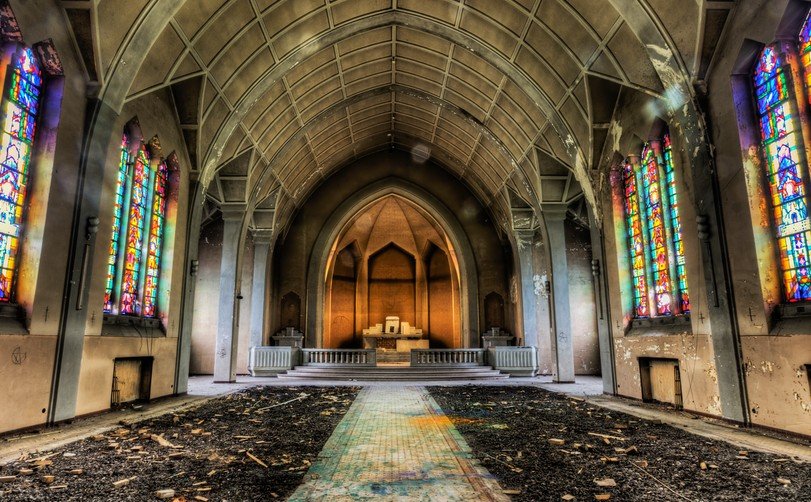
France, historically called the “eldest daughter of the Church,” now presents a Church that is smaller, older, and more dependent on imported clergy and a minority of committed parishioners. Today’s Vatican statistics bring the scale of this diminution into sharp relief.
Whether the encouraging trends of adult conversion and youthful interest can stabilize the decline in the coming years remains an open question as antipope Leo XIV arrives for his apostolic visit next week.