Criticism of the Nuit Blanche celebration in several Paris churches has not ceased following the weekend. What began as a controversy over the appointment of Barbara Butch as artistic director of the event has evolved into a broader debate about the use of Catholic temples for cultural activities unrelated to worship and about the responsibility of the Paris diocese in authorizing certain installations.
According to various French media outlets, several churches and chapels in the capital hosted immersive experiences, sound installations and artistic proposals during the 2026 edition of the Nuit Blanche that proved incompatible with the sacred character of the places where they were presented.
From Olympic Controversy to White Night
Barbara Butch was not an unknown figure when the Paris City Council selected her to direct the 25th edition of the Nuit Blanche.
Her name became associated with the opening ceremony of the Paris 2024 Olympic Games, whose controversial representation inspired by the Last Supper provoked a wave of criticism among millions of Christians worldwide. Two years later, the Paris municipal government entrusted her with the direction of an event endowed with a budget of 1.3 million euros in public funds.
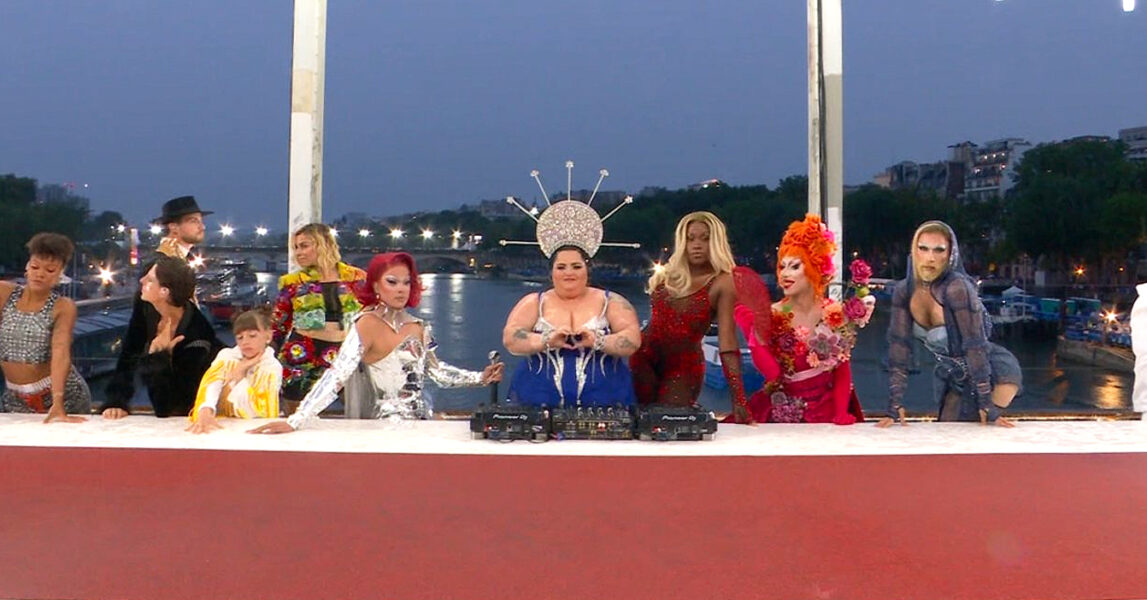
Created in 2002 under the mayoralty of Bertrand Delanoë, the Nuit Blanche was born as a grand nighttime celebration of contemporary art open to the entire city. Each year, museums, squares, historic buildings and heritage spaces become stages for exhibitions, concerts, installations and artistic performances. However, the 2026 edition, celebrated on June 6 and 7, included the use of Catholic churches as spaces for artistic experimentation.
A Church Converted into a Sound Laboratory
One of the main focuses of the controversy was the Saint-Laurent church, in the 10th district of Paris.
There was presented Sous la peau du ciel («Beneath the Skin of the Sky»), an installation by artist Marie-Luce Nadal based on telephone messages sent by people from different parts of the world. Participants were invited to share desires, longings and personal requests that were subsequently mixed with atmospheric sounds and digital treatments to generate an immersive experience.
The proposal was presented as a kind of « invisible membrane » between human hearts and the atmosphere. Ultimately, the project transformed the temple into a space of diffuse spirituality removed from Christian faith.
During the visit, numerous loudspeakers distributed voices and messages throughout the side chapels, next to the altars, the baptistry and even in the confessionals. Some visitors publicly expressed their bewilderment at an ambiance they considered a sensory experience far removed from a space of prayer.
Voodoo-Inspired Masks Inside a Chapel
Another installation that sparked controversy was Jungle haletante, by artist Stéphane Blanquet, presented in the chapel of Tenon Hospital.
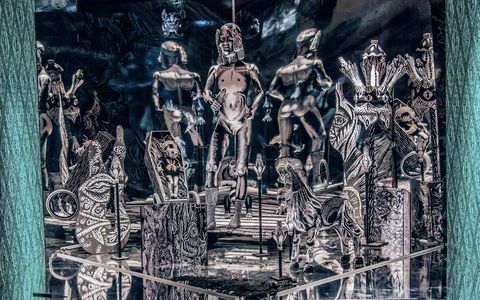
The work included masks and objects inspired by voodoo imagery accompanied by whispers, breathing, creaks and metallic sounds. The artist himself described the experience as an exploration of an unstable perception of reality with an almost hypnotic dimension.
Saint-Eustache, Saint-Germain-l'Auxerrois, Notre-Dame-des-Blancs-Manteaux, Saint-Denys-du-Saint-Sacrement, Notre-Dame-de-l'Espérance, the Saint-Louis chapel of La Salpêtrière or the Chapelle expiatoire were among the other temples included in the official programming of the event.
Protests and Tension Outside Saint-Laurent
The controversy eventually extended to the doors of the Saint-Laurent church.
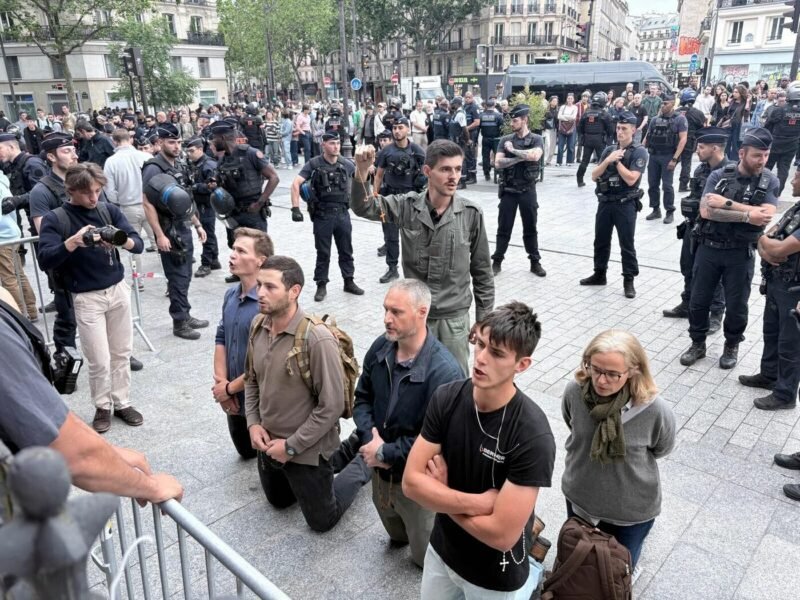
According to various media reports, members and sympathizers of Civitas International participated on Saturday in a protest against installations developed in several Paris churches. The organization had previously denounced that some of the proposals constituted a deviation from the proper purpose of temples and called for mobilization against what it termed sacrileges.
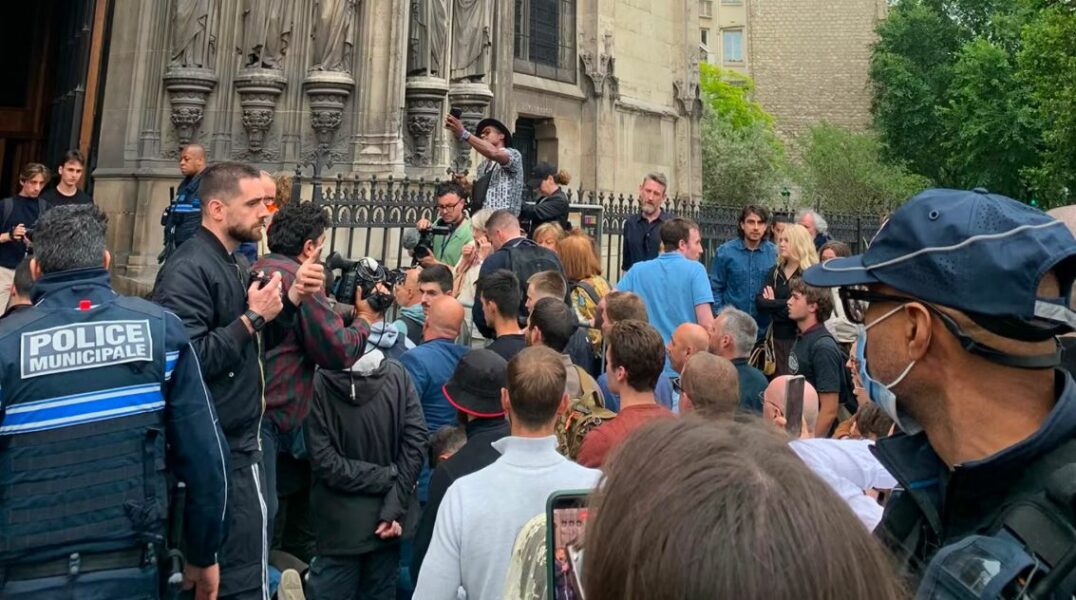
According to the Paris City Council, the protesters attempted to prevent public access to the temple. The mayor of the 10th district, Alexandra Cordebard, subsequently assured that she had been pushed when trying to access the building and announced the filing of a complaint.
The protest participants, for their part, maintain that they conducted a public prayer in front of the church to express their rejection of the scheduled activity. Police ultimately intervened to ensure access to the temple and permit the installation to proceed.
The Question Now Directed to the Diocese
Beyond the protests and the figure of Barbara Butch, the focus of criticism has shifted toward the Paris diocese.
Although most Paris churches have legally belonged to the City Council since the 1905 law separating Church and State, they remain dedicated to Catholic worship. This situation grants ecclesiastical authority and parish priests competence over the use of the buildings.
Canon 1210 of the Code of Canon Law establishes that in a sacred place only that which favors worship, piety and religion should be admitted.
Does the diocese consider that these installations respect the sacred character of the churches? And if so, what criteria were applied to reach that conclusion?
To date, there is no record of a detailed response from the Paris diocese to these questions.