Pope Francis preserves the idea of synodality, that is to say the idea that the Church is a process of listening, consultation and struggle, declared Austrian Jesuit Andreas Batlogg to Kirche-und-Leben.de on April 17. He has written several books on Francis, including an early biography.
Regarding the 2019 Amazon synod, Father Batlogg stated that Francis had nearly abolished celibacy: "Then there was massive backlash. And he slowed down.
A similar situation occurred with the Synod on Synodality, which ended without a final document.
The internal division of the Church under Francis has become "very profound": "There was open resistance, not just behind the scenes".
With Leo XIV, however, there has been "more a change of tone than a fundamental rupture", according to Father Batlogg.
Leo XIV presents himself as calmer and more controlled, with greater attention to clarity and more traditional behaviour: "However, these are primarily matters of style".
And: "In terms of content, I see that many policies are being pursued, such as synodality, social issues and a global perspective."
Father Batlogg explains it this way: "Francis opened the doors, and Leo is now beginning to organize the rooms that lie behind."
 AREAM SUAM
Leo XIV continues Francis's path, but with a different tone
Biographer of 'Francis'
Tradotto dal francese dall'IA
Articoli sullo stesso tema
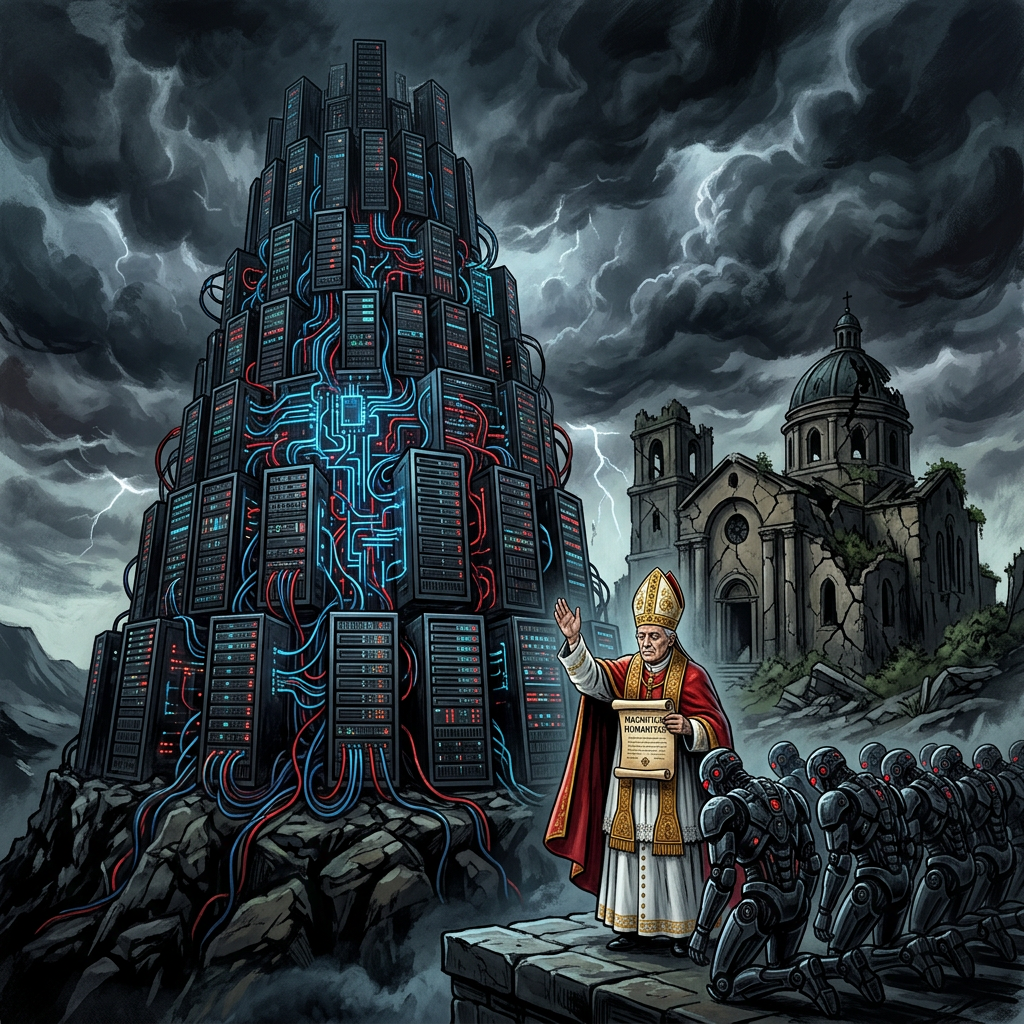
Riflessioni sull’(e)nciclica Magnifica humanitas
Antonio Romano prosegue la sua opera di smascheramento dell'antipapatia leonina con una lettura acida dell'"enciclica" 'Magnifica Humanitas', un'opera superba realizzata, con l'aiuto dell'IA, al servizio dell'anticristo.
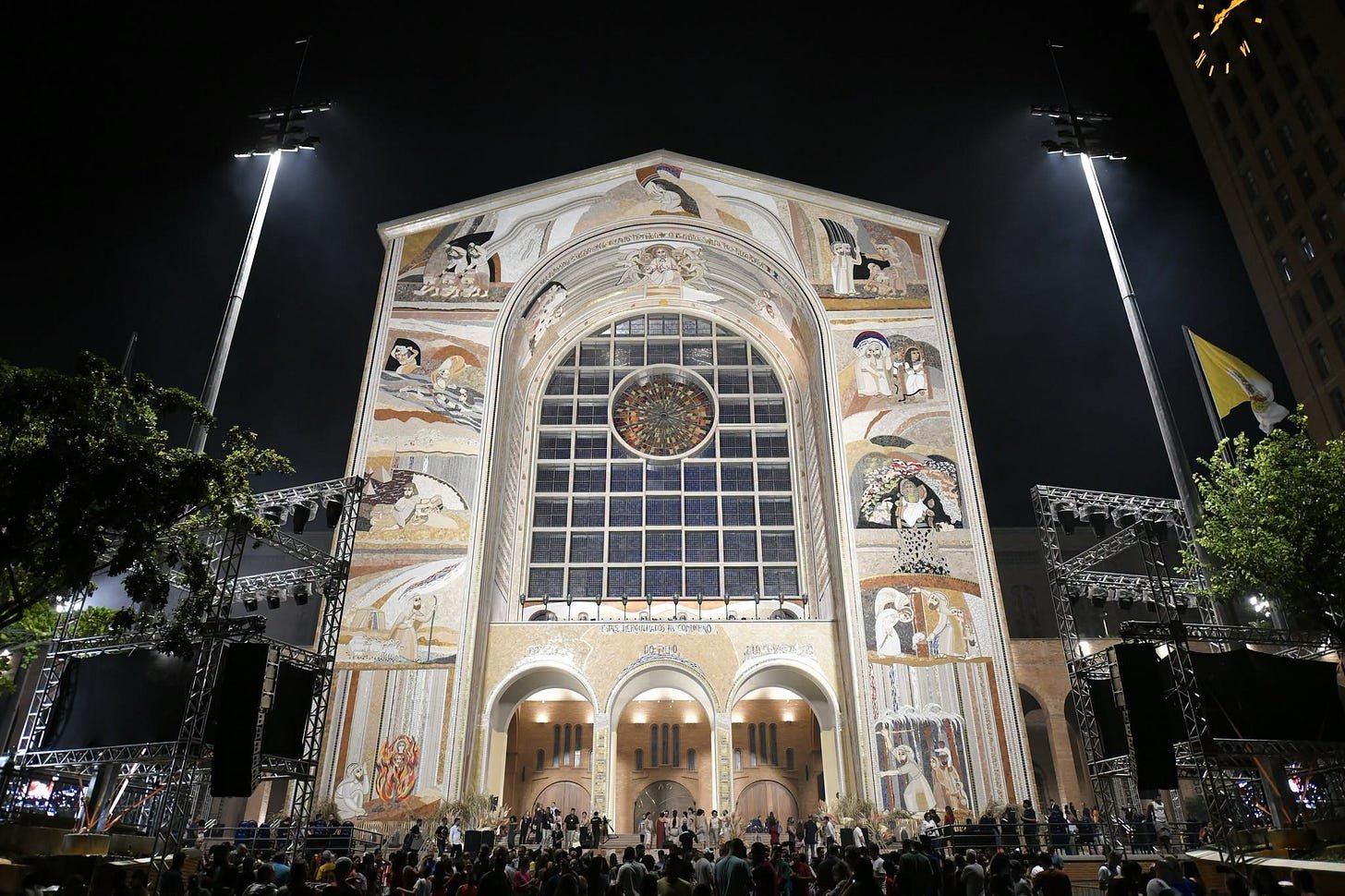
Aparecida in festa per i mosaici che a Lourdes coprono
Il papa approva in Francia la copertura delle opere di Marko Rupnik sotto processo per abusi, ma benedice la solenne inaugurazione in Brasile della facciata della basilica targata Centro Aletti
Sembra che la mano destra di papa Leone XIV non sappia che cosa fa la mano sinistra, ma la Chiesa di Roma non sembra preoccuparsi di chiarire alcunché ai fedeli e allo stesso clero. Eppure non c’è spiegazione che possa venire in mente.
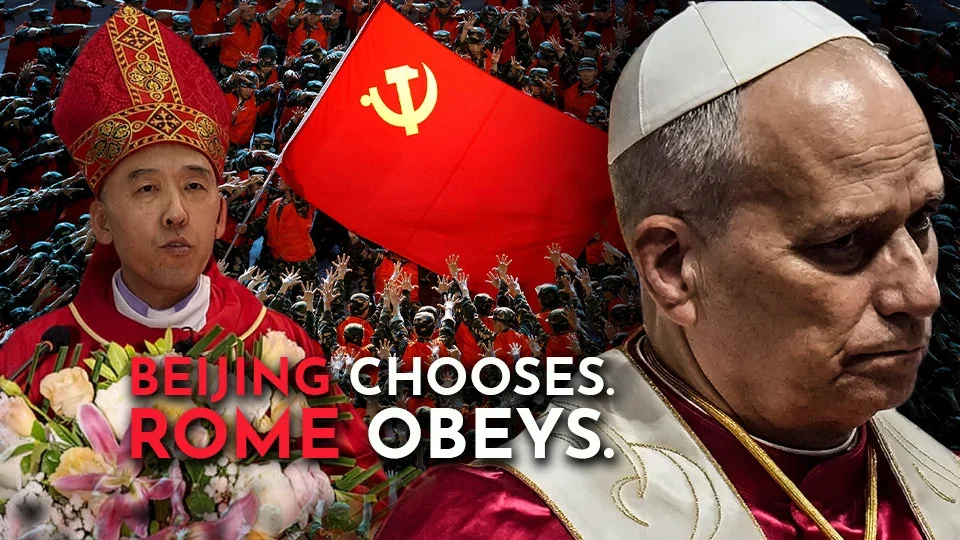
Il cattolicesimo si arrende al maoismo
Pechino sceglie i vescovi comunisti. Roma dice sì.
Pechino ha scelto un nuovo vescovo cattolico che ha promosso l’ideologia comunista, partecipato alla «rieducazione» politica maoista e sminuito le segnalazioni di persecuzioni contro i cattolici nella sua stessa diocesi. Roma lo ha comunque approvato. La consacrazione di Paul Liu Honggang, scrive Gaetano Masciullo, è un esempio sconcertante di ciò che l’accordo sino-vaticano ha prodotto: il regime comunista sceglie, e Roma si adegua.