
The New Trad Inc Serenity Prayer
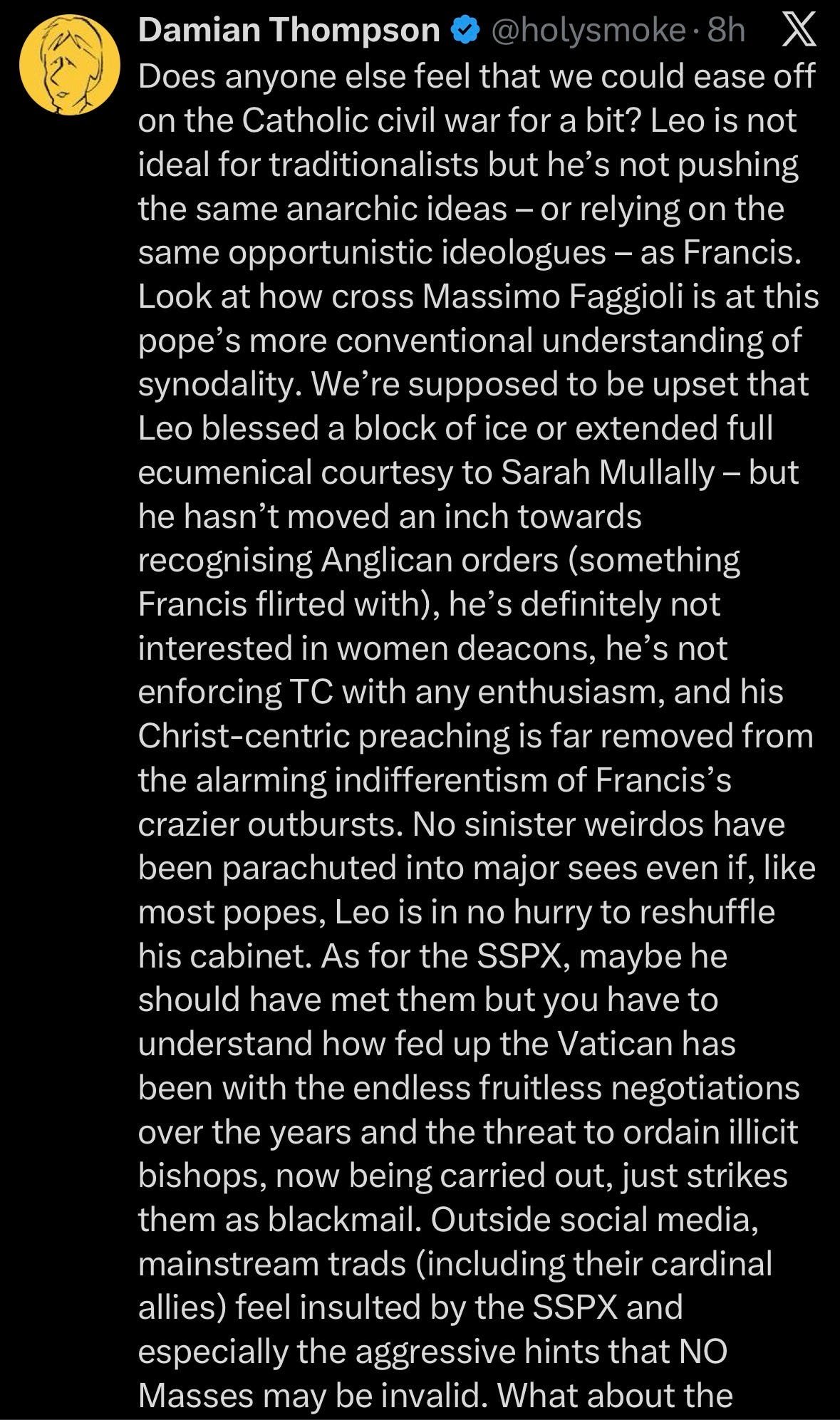
Damian Thompson has given us the latest manifesto of exhausted respectable traditionalism: “Can we ease off on the Catholic civil war for a bit?” Leo XIV, he says, is not Francis. He is more conventional. More Christ-centered. Less chaotic. Less indulgent toward the Germans. Not visibly eager for women deacons. Not enthusiastically enforcing Traditionis Custodes. Not yet recognizing Anglican orders. Not parachuting “sinister weirdos” into major sees.
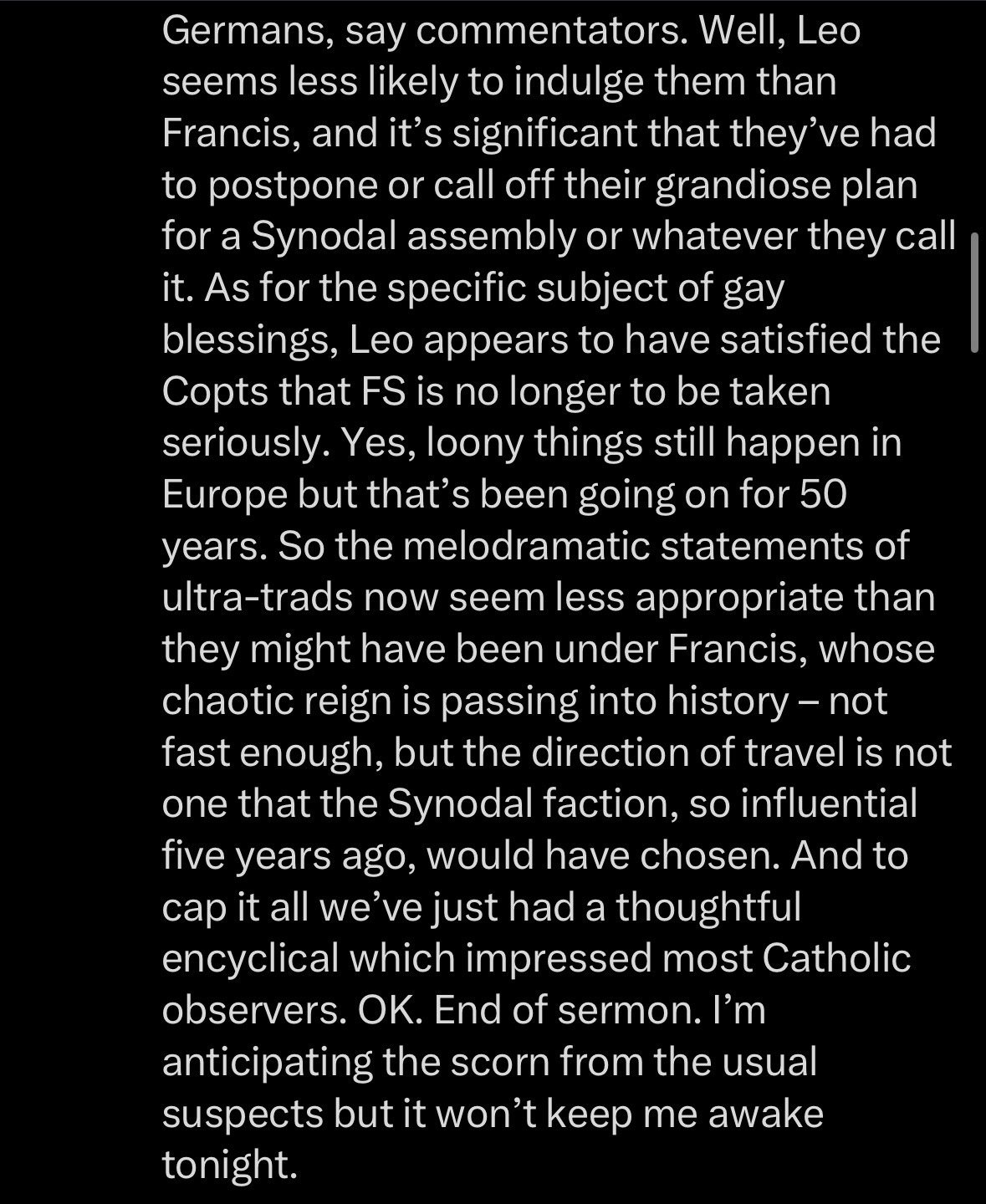
There it is. The new bargain.
Do not ask whether the machine still runs. Ask whether it now runs quietly. Do not ask whether the revolution has been repudiated. Ask whether it has learned table manners. Do not ask whether the false ecumenism, moral collapse, synodal bureaucracy, anti-traditional repression, and selective mercy remain intact. Ask whether Massimo Faggioli looks irritated enough to make nervous conservatives feel better.
This is the spiritual life of the post-Francis conservative Catholic commentator: waiting for a liberal theologian to frown, then mistaking that frown for the restoration of Christendom.
The Chicago Audience That Explains the Pontificate
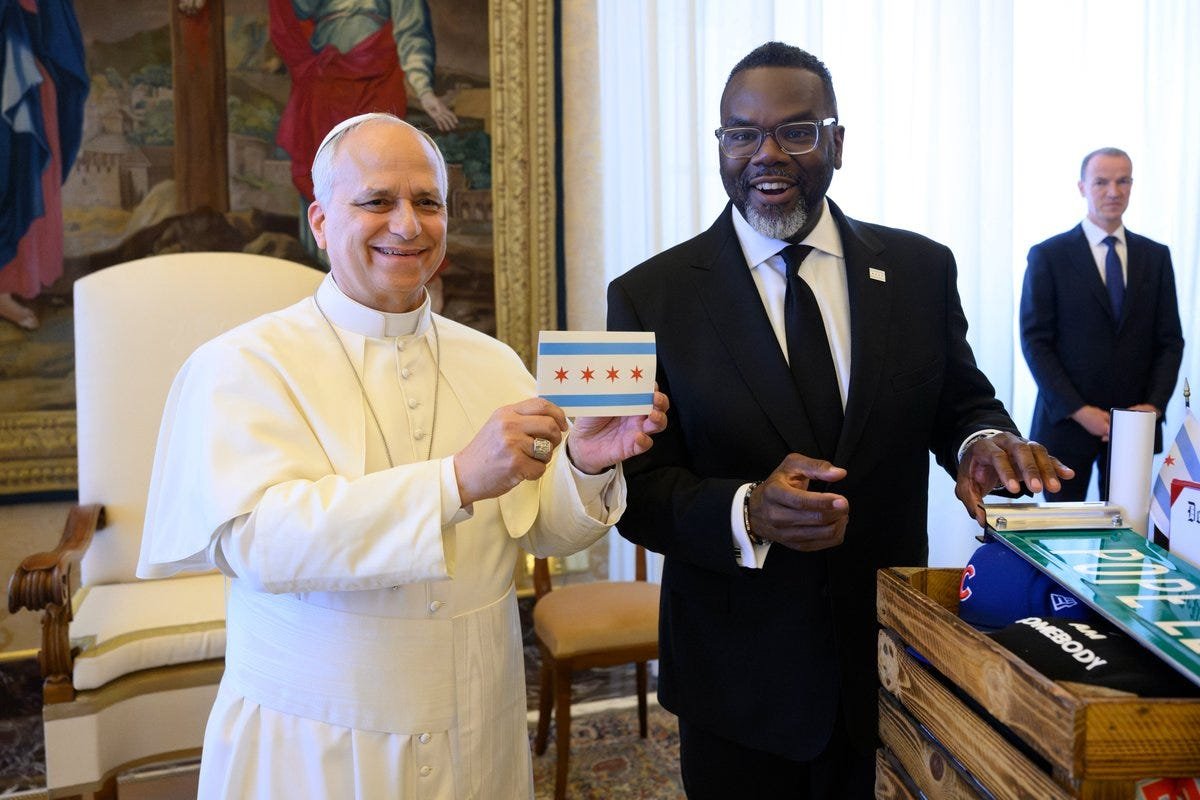
While Thompson was urging everyone to relax, Leo met Brandon Johnson, the mayor of Chicago, a man whose public record reads like a committee-produced parody of progressive municipal politics. Johnson’s own campaign declared that “abortion is health care,” that there is “no middle ground on abortion,” and that abortion, contraception, and reproductive care should be “safe, free and accessible.” It also pledged to make Chicago a “national model” for reproductive rights and LGBT policy.
This was not some obscure city councilman wandering into the Vatican cafeteria. Johnson’s administration officially commemorated “National Abortion Provider Appreciation Day” in 2024, and LifeSite reported that the city statement praised abortion providers while calling Chicago a “sanctuary for choice.”
So what was discussed? According to Johnson and multiple reports, the conversation centered on ICE raids, Trump’s immigration policy, slavery reparations, the Iran war, and the invitation for Leo to visit Chicago. Johnson described Leo as concerned about how immigration enforcement affected the city, and said the meeting touched on the same left-wing civic catechism that dominates Chicago politics.
What apparently did not come up, at least not in any way Johnson felt compelled to mention, was the mass slaughter of unborn children, the city’s abortion regime, the campaign against pro-life sidewalk counselors, or the LGBT ideology Johnson’s administration aggressively promotes. LifeSite reported that Johnson’s delegation joined Leo in what the mayor himself called a “multi-faith prayer,” and WBEZ quoted Johnson saying that faith leaders in the delegation prayed with and for Leo, that “Chicago” put its arms around him, “blessed him,” and prayed for his protection.
This is what Thompson wants us to regard as calmer weather.
Leo may not be Francis in temperament. But here is the actual pattern: traditional Catholics are treated as a disciplinary problem; progressive politicians are treated as partners in moral witness; abortion is background noise; immigration enforcement is a theological emergency; multi-faith prayer is normal; and the Vatican’s native language remains social justice with incense.
Ecumenical Courtesy, or Religious Confusion
Thompson insists that we are supposed to be upset about Leo “extending full ecumenical courtesy” to Sarah Mullally, but that this does not matter because Leo has not recognized Anglican orders. This is the conservative Catholic version of saying the house fire is manageable because the chimney has not collapsed yet.
The pre-conciliar Catholic objection to false ecumenism was never merely that Rome might formally validate Anglican orders. It was that religious unity would be reimagined as mutual spiritual accompaniment instead of return to the one true Church. Pius XI warned in Mortalium Animos against religious gatherings built on the idea that divided religions can meet as co-equal expressions of a common spiritual impulse, calling such attempts unacceptable for Catholics.
That is why “ecumenical courtesy” is not a neutral phrase. It can mean ordinary civility. It can also mean the slow laundering of religious error through ceremonial warmth. The postconciliar mind loves that laundering. It does not usually begin by issuing a decree that Anglican orders are valid. It begins by treating Anglican novelty, female episcopacy, Protestant rebellion, and Catholic apostolicity as if they were all participants in one wounded but basically honorable Christian conversation.
Thompson’s standard is revealing. Unless Leo signs the final document of apostasy in red ink, we are supposed to stop noticing the architecture of apostasy already built around us.
While Thompson Naps, Salzburg Trains the Parish
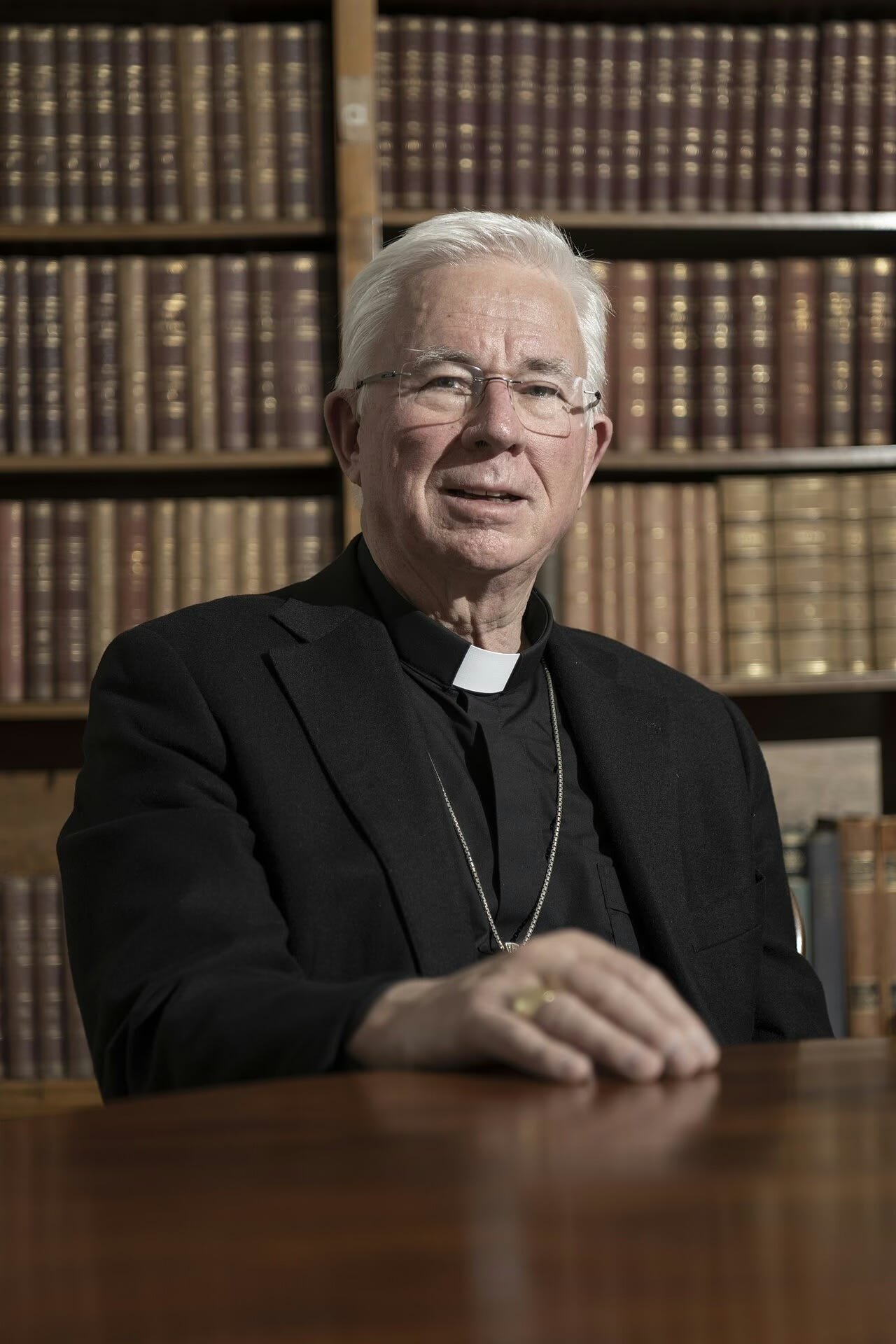
The same week that Thompson lectured traditionalists about melodrama, the Archdiocese of Salzburg was preparing another full-day workshop called “Queer People in Our Parishes.” The Archdiocese is led by Monsignor Franz Lackner, also president of the Austrian Bishops' Conference. Kath.net reported that the event is organized by the Rainbow Pastoral Platform in cooperation with HOSI Salzburg, and that it includes LGBT terminology, “theological approach,” “canonical framework,” and concrete pastoral options.
This is how the revolution actually advances. Not always by dramatic decree, papal thunderbolt, or by diocesan training day. By pastoral language. By workshops. By “listening.” By changing the instincts of parish staff. By making the orthodox Catholic who says “sin” sound cruel, dated, unpastoral, and possibly unsafe.
Thompson waves away European madness because “loony things” have been happening there for fifty years. But that is precisely the point. The abnormal became normal because respectable Catholics learned to say, decade after decade, that this was just another local excess, another eccentric bishop, another Germanic episode, another Austrian embarrassment, another thing not worth “civil war.”
At a certain point, a man sleeping through burglaries does not get to call the homeowner melodramatic for noticing the missing furniture.
Paglia Says the Quiet Part in Italian
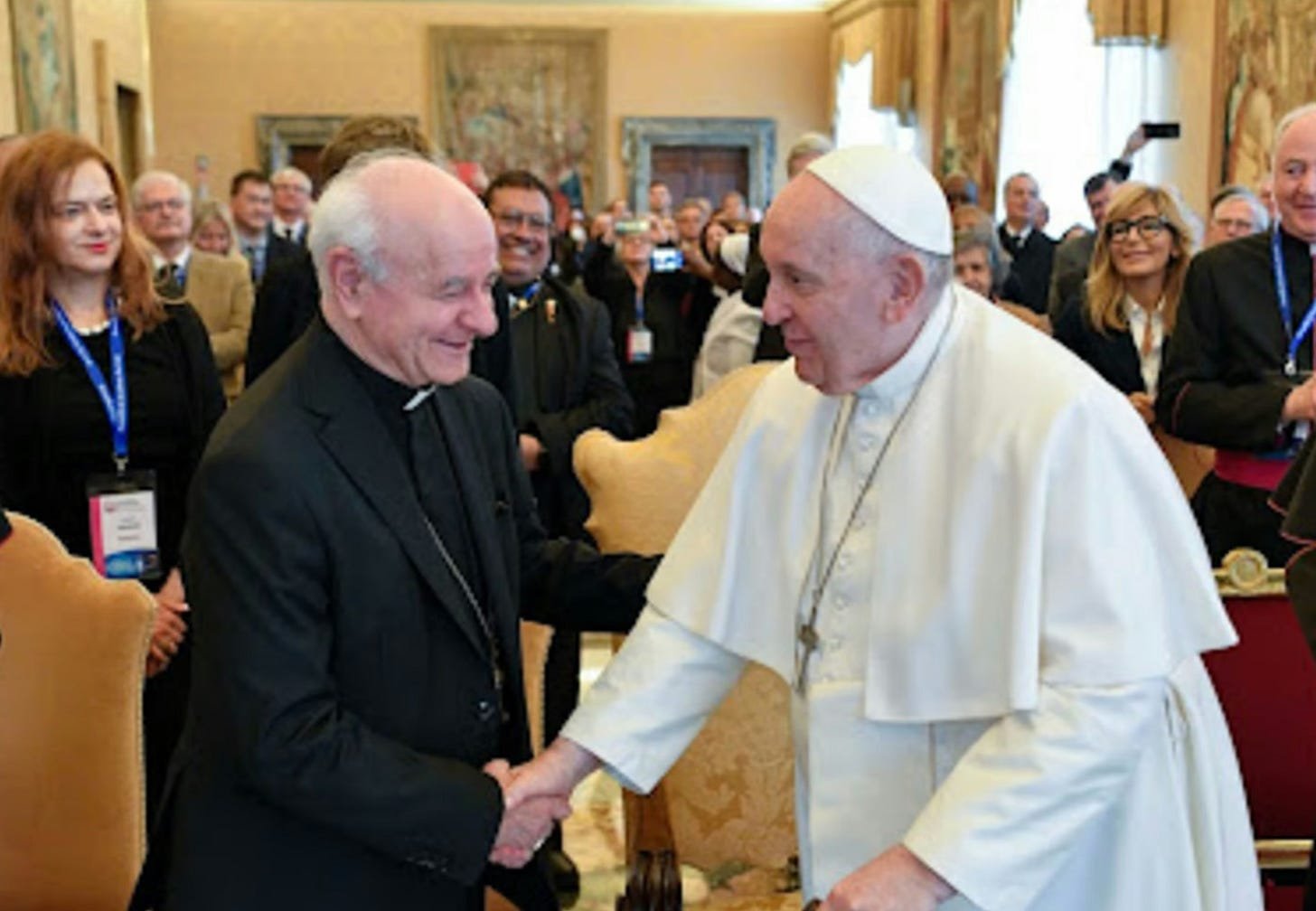
Then came Vincenzo Paglia, who helpfully explained what the Francis project really was. In a May 21 interview with SettimanaNews, Paglia said Francis felt the need to “adapt doctrine to the new times” in connection with Humanae Vitae, and asked him to prepare a text showing “necessary updates.” He explicitly placed this work in the context of the family synods, homosexuality, irregular unions, and Communion for the divorced and remarried.
Paglia went further. He described the reform of the John Paul II Institute as involving a “rethinking” of nature, challenging what he called a “static and immutable” vision of natural law and the “essentialist and ahistorical” paradigm of sexual and family moral theology. Then came the useful admission: the opponents had understood correctly. A “very profound reform” was at stake.
That sentence should be printed and mailed to every conservative Catholic who spent the last decade insisting that critics were paranoid. No, the critics were not paranoid. Paglia says they understood.
Against this, the older Catholic moral tradition speaks with a clarity that now feels almost illegal. Pius XI taught in Casti Connubii that any use of marriage deliberately frustrating its natural power to generate life is against the law of God and nature, and brands those who indulge in it with grave sin. Paul VI, even amid the early postconciliar fog, reaffirmed in Humanae Vitae that each and every marital act must retain its intrinsic relationship to the procreation of human life.
Paglia’s “rethinking” is the attempt to replace a moral theology rooted in nature, finality, sin, and grace with a pastoral anthropology of experience, history, relationality, and managed exceptions. The old Catholic question was: what has God revealed, and what does nature itself teach? The new question is: what can be pastorally discerned after enough institutional listening?
And Thompson wants us to calm down because Leo sounds more conventional when he says it.
The SSPX Is the Line They Still Know How to Draw
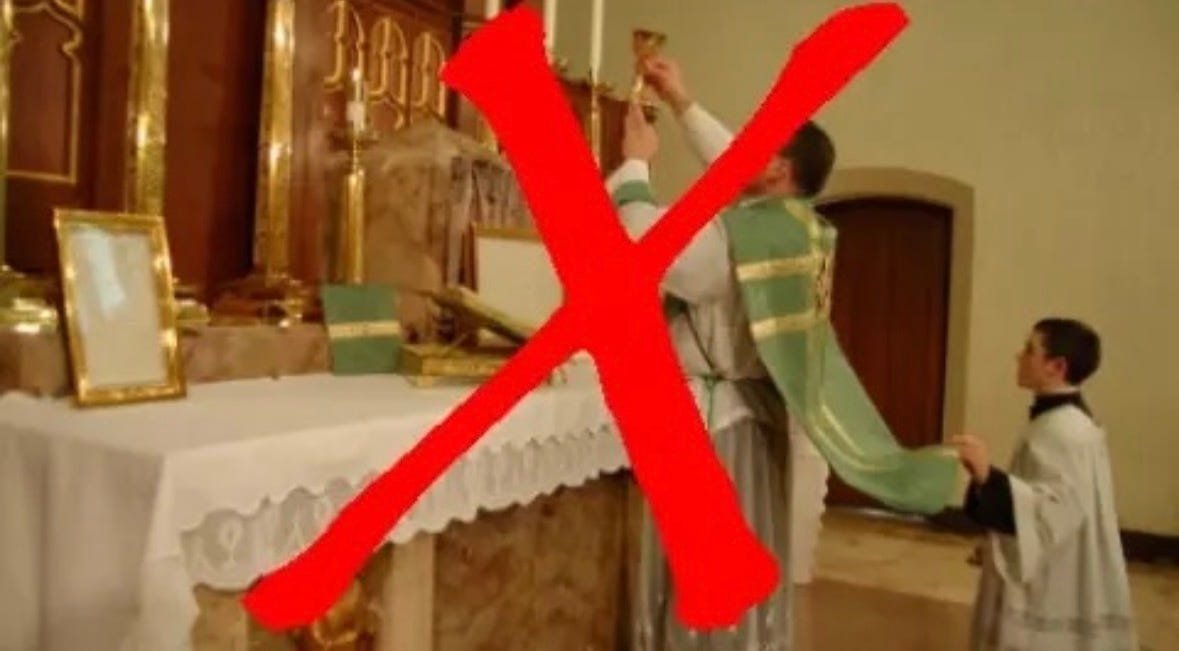
Here is the punchline. The Vatican can host progressive politicians, tolerate queer pastoral workshops, absorb the Paglia revolution, continue synodal machinery, perform ecumenical theater, and treat abortion as one issue among many. But when the SSPX announces episcopal consecrations, suddenly Rome remembers law, authority, discipline, rupture, schism, and grave offense against God.
The Vatican’s doctrinal office warned that the SSPX consecrations planned for July 1 would be a “schismatic act” and that formal adherence to schism entails excommunication. Reports noted that Pagliarani had requested an audience with Leo and that the consecrations followed a breakdown in communication. EWTN reported that the SSPX named Fathers Pascal Schreiber, Michael Goldade, Michel Poinsinet de Sivry, and Marc Hanappier for consecration at Écône.
So the old categories are not dead. They are just selectively deployed.
Natural law can be historicized. Homosexual pastoral accompaniment can be workshopped. Abortion politicians can be received. Multi-faith prayer can be described as moving and beautiful. Synodality can process the Church into permanent consultation. But traditional bishops? There the machinery snaps to attention.
This is not incoherence. It is hierarchy. The system knows what it hates most. It does not hate disorder as such. It hates the old order.
The Genius of Leo: Keep Francis’s Revolution, Drop Francis’s Sweat
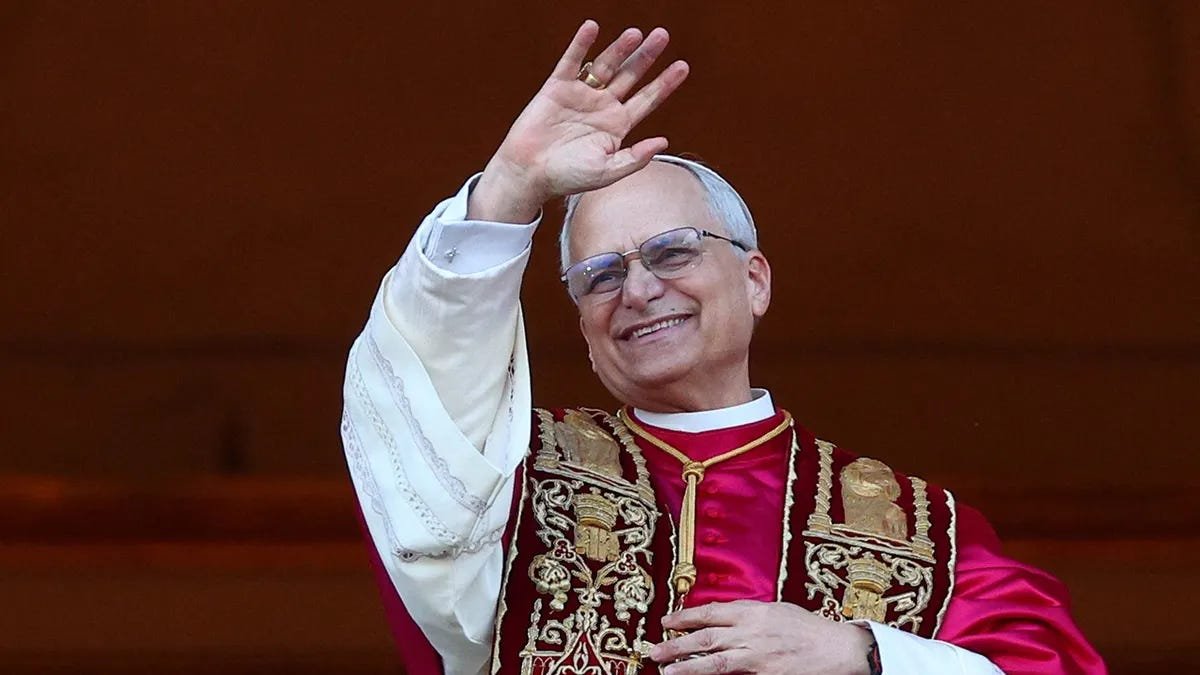
The conservative temptation is to compare Leo to Francis stylistically. Francis was chaotic. Leo is measured. Francis improvised. Leo structures. Francis insulted traditionalists like a street preacher with a grudge. Leo speaks in institutional tones. Francis made the revolution look like a brawl. Leo makes it look like governance.
Faggioli’s complaint, which Thompson treats as a hopeful sign, may actually point to the real danger. Commonweal’s Faggioli has argued that Leo is developing a distinct “Leonine” version of synodality, less Francis-style personality politics and more “unity in collegiality.” In other words, the revolution may be moving from improvisation to procedure.
A revolution is not less dangerous because it discovered a filing cabinet.
The Francis years trained conservatives to look for obvious scandals. The airplane interview. The Pachamama. The insult. The footnote. The ambiguity that detonated five days later. Leo’s method appears different. He can let the same doctrinal infrastructure stand while speaking more smoothly. He can allow the same appointments, the same synodal organs, the same moral theologians, the same ecumenical assumptions, while offering enough conventional language to pacify nervous conservatives.
That is why Thompson’s tweet is so dangerous. It is not just a bad take. It is the mechanism by which the controlled opposition is domesticated. Give them a little Latin tolerance here, a Christ-centered homily there, one disappointed Faggioli column, and they will start policing the people who still notice the revolution.
The Catholic Civil War Was Never About Tone
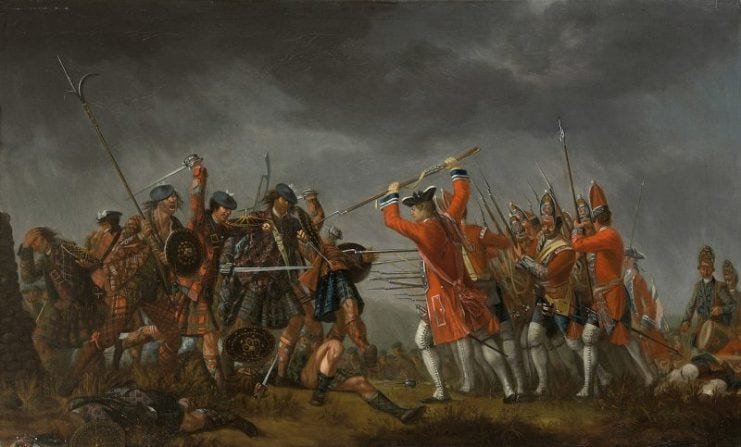
The phrase “Catholic civil war” is itself a dodge. Traditional Catholics did not invent this war. They inherited a battlefield created by men who dismantled altars, rewrote rites, blurred dogma, softened moral absolutes, flattered Protestantism, and then called resistance disobedience.
The war is not between angry online trads and kindly pastors. It is between two religions occupying the same visible structures.
One religion says the Catholic Church is the one ark of salvation, that false worship is not pleasing to God, that contraception is intrinsically evil, that sodomy cries to heaven for vengeance, that the Mass is a propitiatory sacrifice, that heresy is poison, that authority exists to guard revelation, and that souls are saved by conversion, penance, sacramental life, and perseverance in the true Faith.
The other religion speaks endlessly of dignity, listening, accompaniment, fraternity, wounds, discernment, pathways, inclusion, and dialogue. It rarely denies the old dogmas outright. It just makes them pastorally unusable.
That is why the Thompson position is so useless. He is judging Leo by whether the new management is less embarrassing than the old management. But the Catholic question is not whether Leo is calmer than Francis. The question is whether he is reversing the apostasy, or administering it with better diction.
So far, the answer is not hard to see.
The Ceasefire Is Always Offered to the Wrong Side
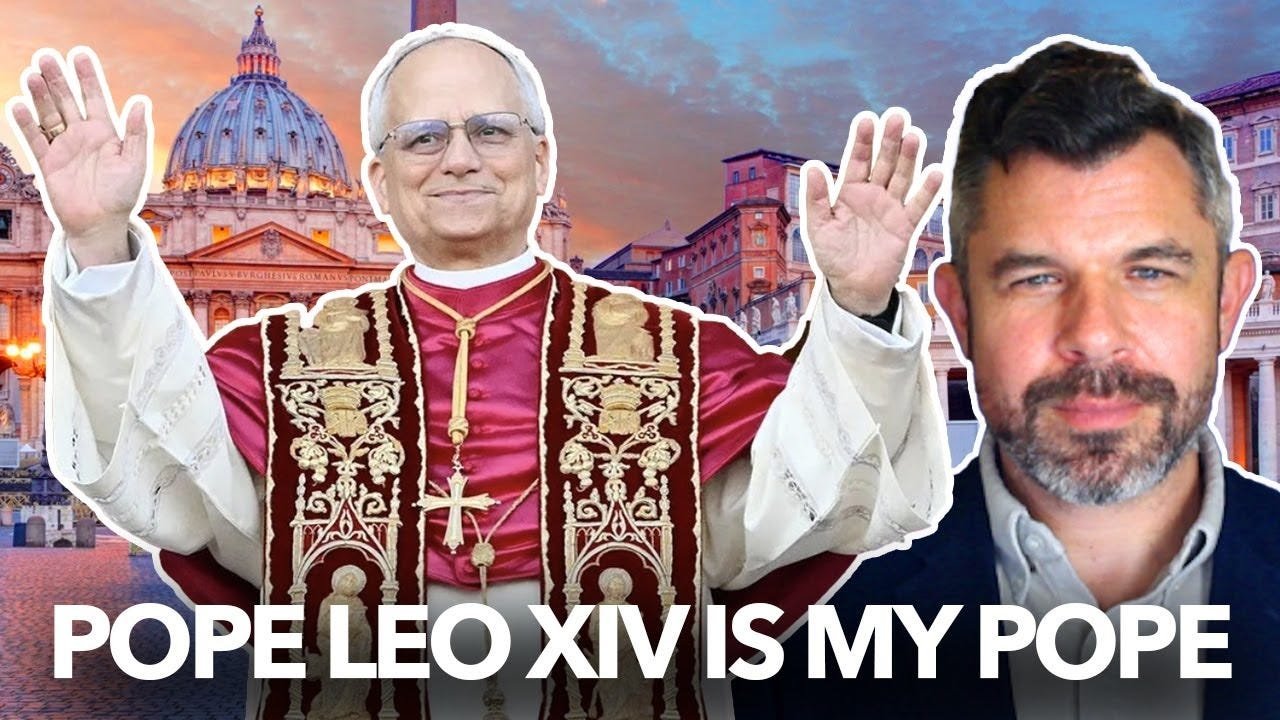
There is always a call for peace once the revolution has taken enough ground.
Do not fight now. Do not be melodramatic. Do not alienate Rome. Do not embarrass the respectable traditionalists. Do not defend the SSPX too loudly. Do not notice the queer workshops. Do not connect the Paglia interview to the Johnson audience. Do not bring up Mortalium Animos. Do not speak as if Casti Connubii still means what it says.
The revolution gets patience. Tradition gets ultimatums.
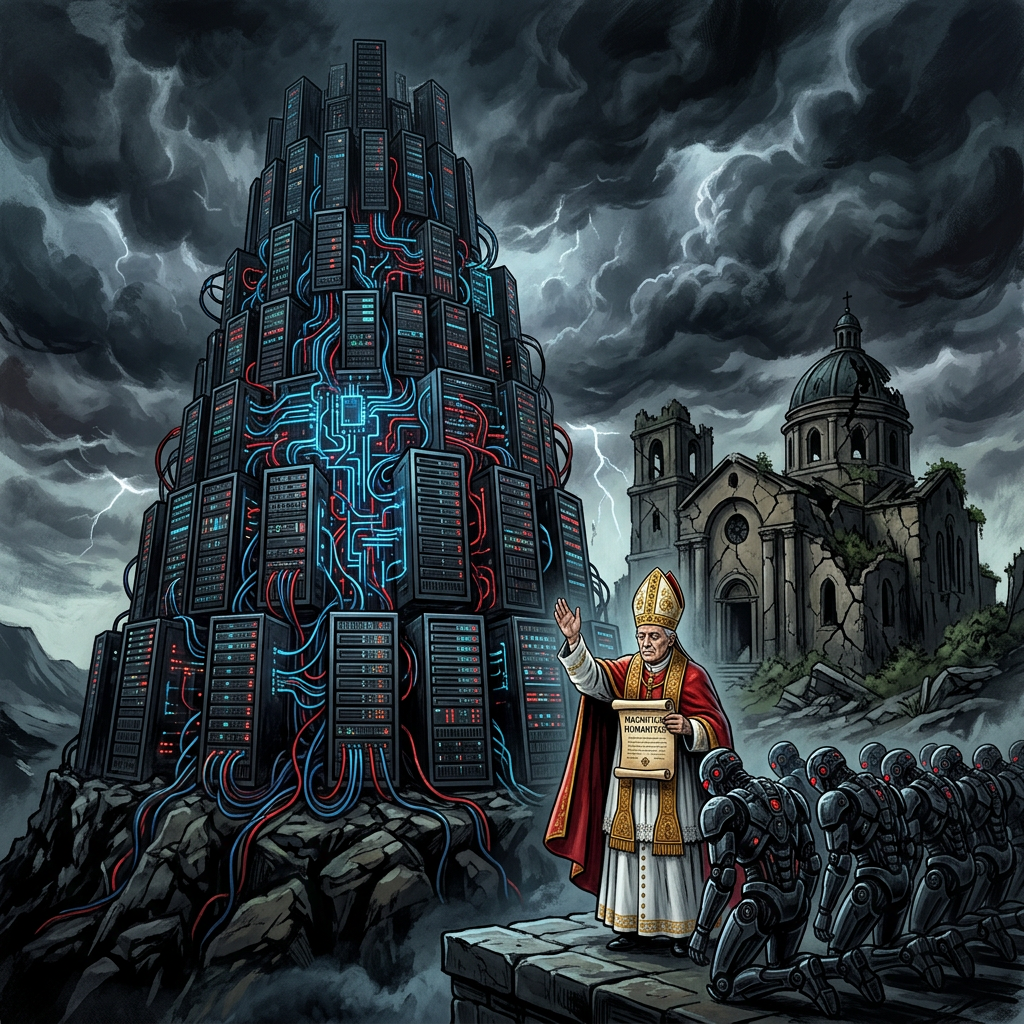
That is the real story of Leo’s first year. Not simple continuity with Francis in the crude sense. Something subtler is underway: the stabilization of the Francis legacy under a more conventional Roman personality. The circus tent is being replaced by office space, but the acts remain booked.
Damian Thompson can sleep through it if he likes. Some of us have no intention of mistaking a quieter engine for a different machine.