A process underway… but without information
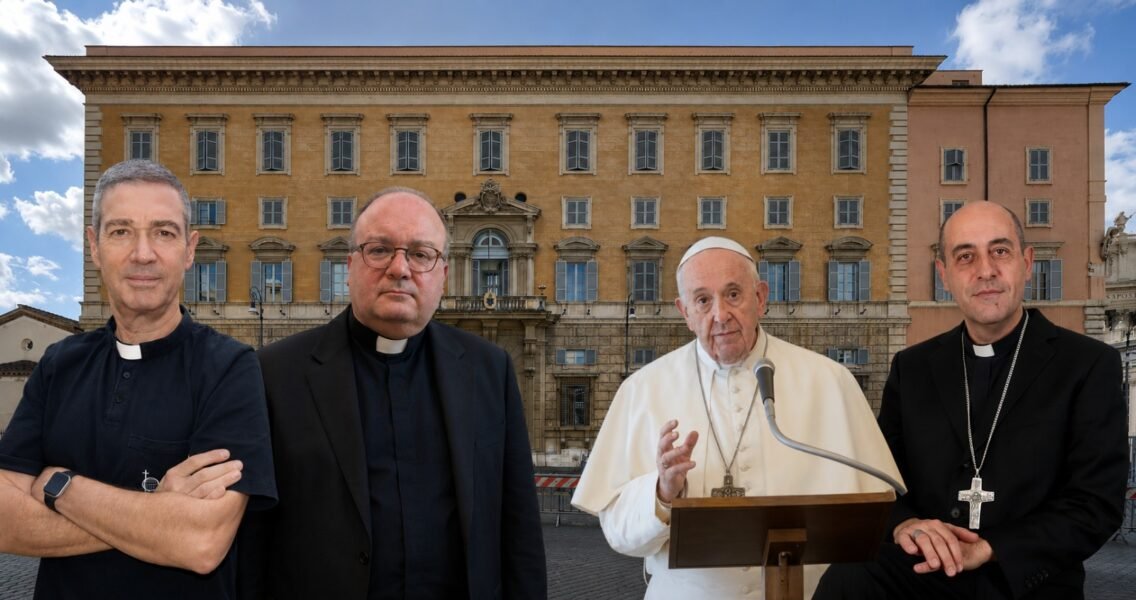
To date, the Dicastery for the Doctrine of the Faith maintains an open process against Rupnik, accused by some twenty religious women and former religious women of sexual, power and psychological abuse. However, neither the victims nor their lawyers have access to concrete information about the status of the proceedings.
This hermeticism has fueled doubts about the handling of the case in the Vatican, where no public explanations have been offered regarding timelines or possible decisions.
Excommunication lifted and unanswered questions
Rupnik's disciplinary history raises even more questions. The priest was excommunicated by the Dicastery itself—when it was directed by Cardinal Ladaria—but that sanction was lifted a few months later under circumstances never clarified.
Various reports suggest that the decision came "from above," alluding to a possible direct intervention by Pope Francis, who maintained a close relationship with the Slovenian artist.
Subsequently, Rupnik was expelled from the Society of Jesus, which acknowledged the existence of at least twenty victims and initiated—though belatedly—a reparation process.
The problem of the mosaics: art or scandal
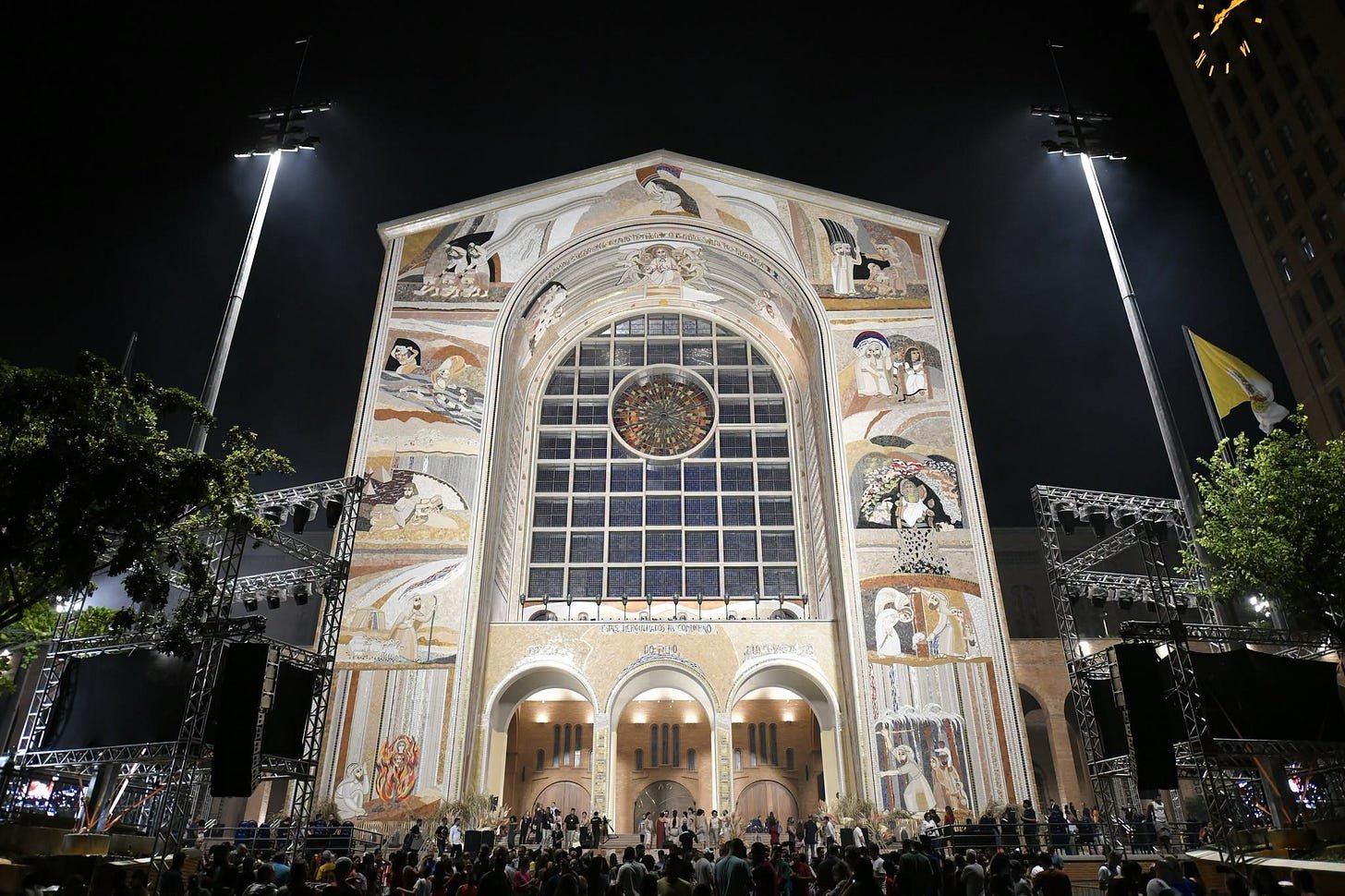
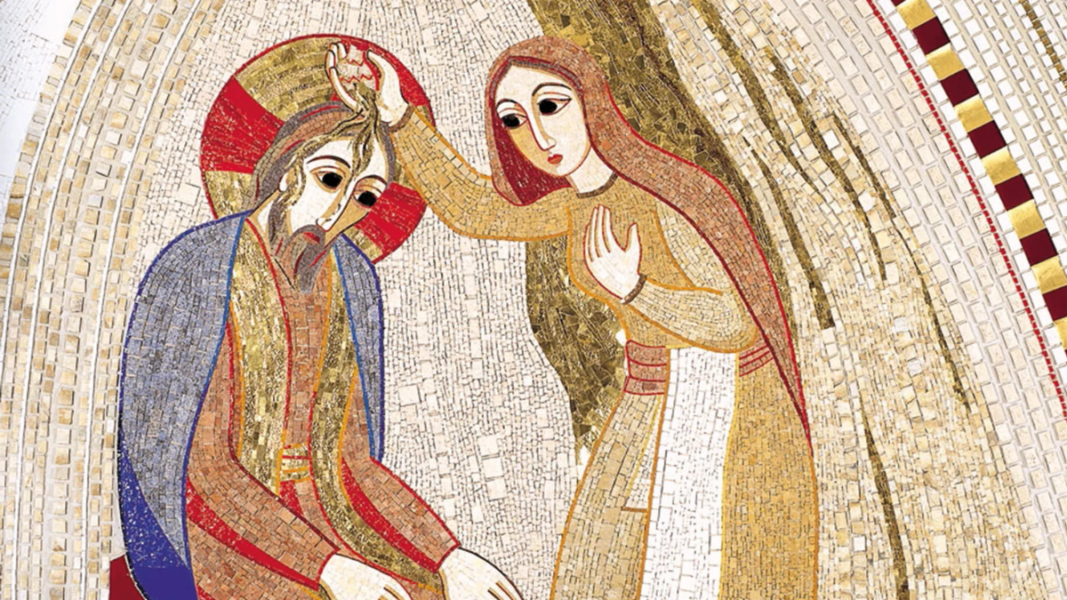
Even more complex is the question of Rupnik's artistic legacy. His mosaics, present in more than two hundred sanctuaries and temples around the world, remain on display in many cases without any contextualization.
The victims have insistently requested that these works be removed or, at the very least, accompanied by visible notices informing visitors of the accusations against their creator.
Some dioceses have already taken measures. In Lourdes, for example, mosaics have been partially covered, and the same has occurred in other places in the United States.
Rome Keeps Silent
However, in Rome the situation remains unchanged. Among the most significant works is the Redemptoris Mater Chapel in the Apostolic Palace, created during the pontificate of John Paul II, as well as a large mosaic in the Lateran complex, financed with millions of euros.
So far, there have been no public statements from the responsible authorities regarding the future of these works.
The silence contrasts with the gravity of the accusations and the scale of the scandal, which has already been documented in books and documentaries circulating throughout Europe.
A Case That Remains Open
The Rupnik case raises not only questions about the conduct of one specific priest, but also about the institutional response to serious and repeated allegations.
The lack of transparency, the irregular management of sanctions, and the absence of clear decisions regarding his artistic legacy continue to fuel the controversy.
Meanwhile, the victims continue to await answers. And the Church, once again, faces the challenge of demonstrating coherence between its principles and its concrete actions in cases of abuse.