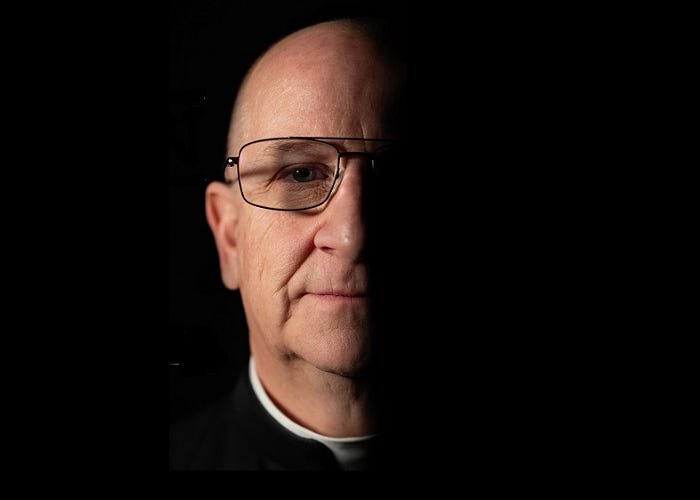
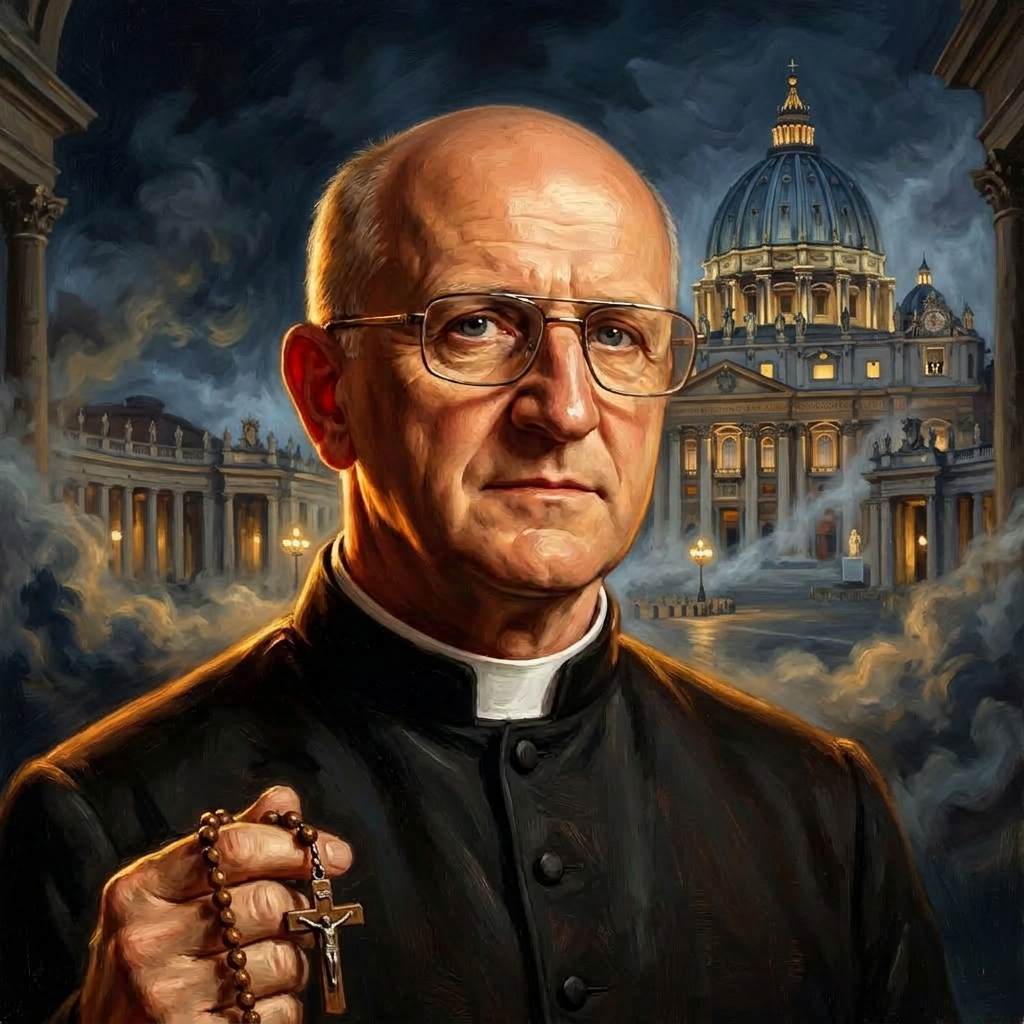
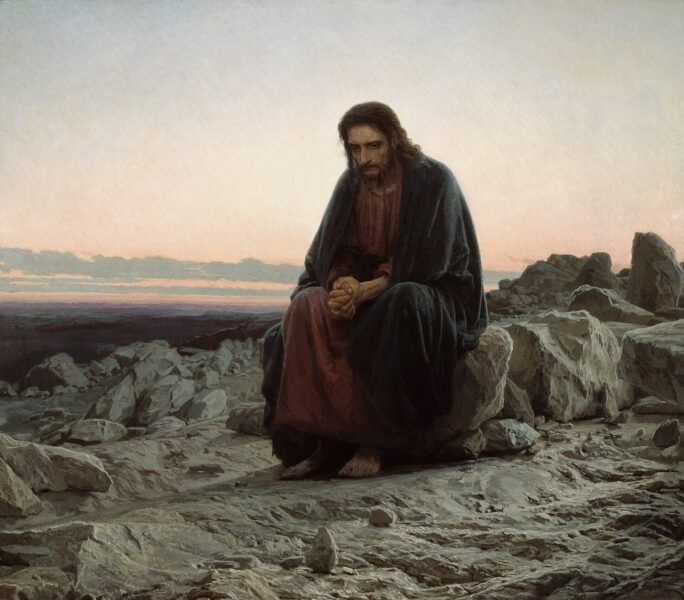
Fr Ripperger silenced by the guards of the Ecclesia Captiva.
“I have said these things to you to keep you from stumbling. They will put you out of the synagogues. Indeed, an hour is coming when those who kill you will think that by doing so they are offering worship to God. And they will do this because they have not known the Father or me. But I have said these things to you so that when their hour comes you may remember that I told you about them.” (John 16: 1-4)
“So-called synodality has thus shown its true colors. It selects whom or what it includes.”
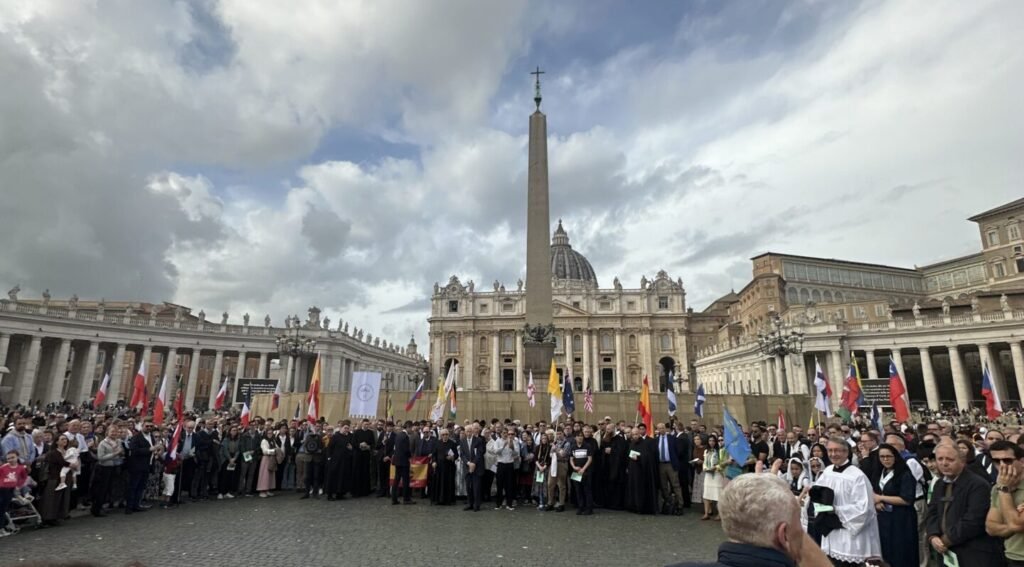
This year’s ban on access to St. Peter’s Basilica on October 24, 2026, for the tradition-minded “Ad Petri Sedem” pilgrims borders on hostility toward Catholics loyal to the Pope and orthodox in their faith, and has nothing to do with concern for unity in the Church or with operational difficulties in organizing liturgical celebrations in St. Peter’s Basilica.
When Fr. Ripperger was essentially cancelled by Francis-bishop Golka in Denver this month, many people were upset by this. That said, however, there have also been a lot of Catholics who are glad that he’s been taken down a notch. A quick glance at Twitter/X threads, and sometimes you’d see people blurt: “Good.” Or: “Took way too long, but very good.” Or: “My first sign of hope from the archdiocese of Denver in a long time!” It’s a celebratory reaction. And one has to ask: do these people have a legitimate disagreement with this exorcist priest, or are they simply enjoying his humiliation?
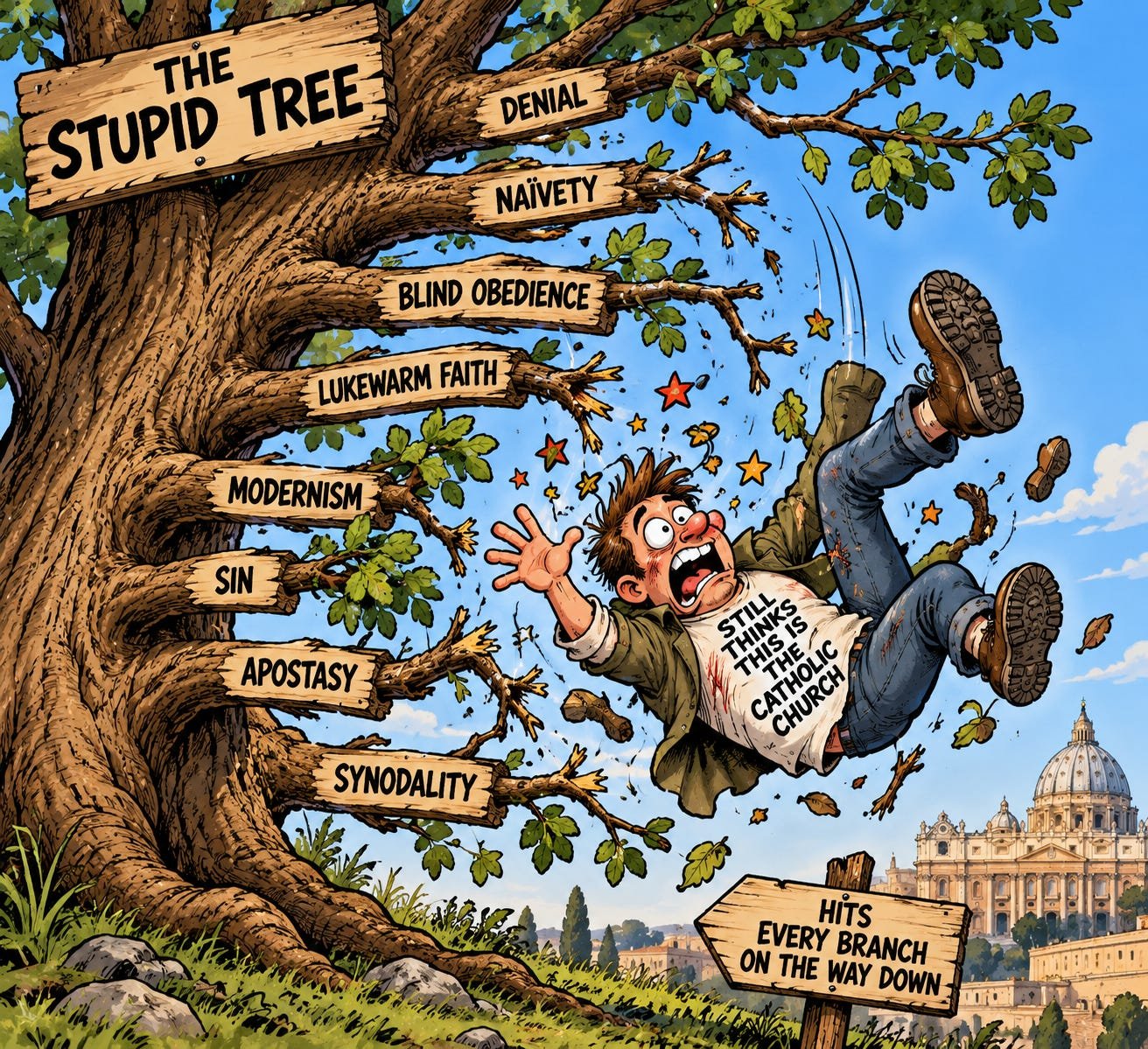
Or how Bergoglian synodality is a subversion of the Tradition of the Catholic Church
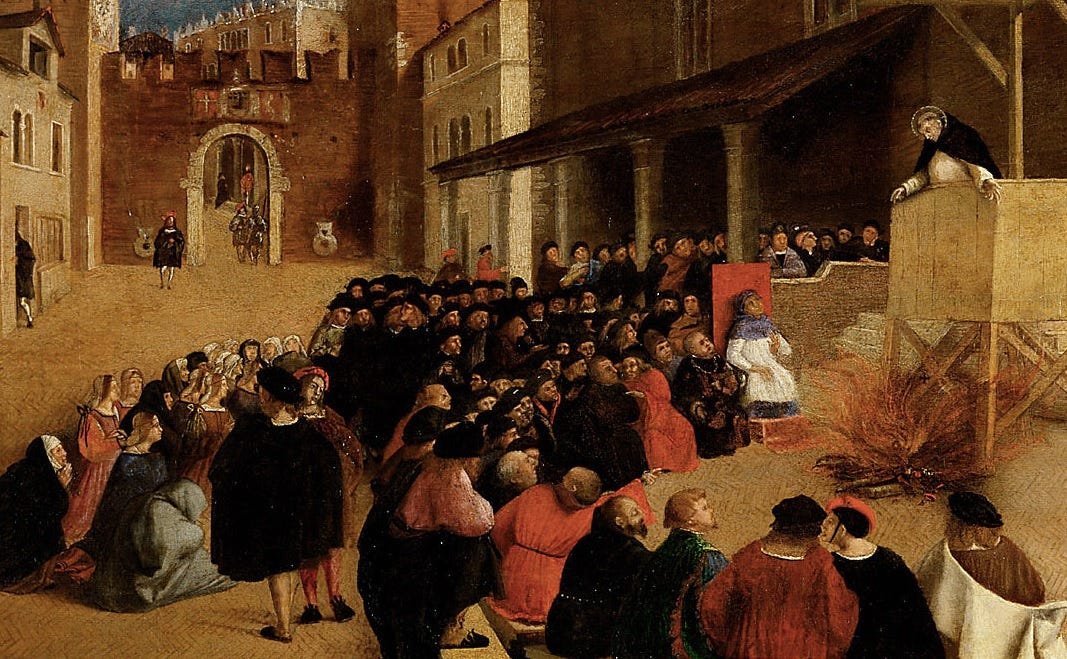
The Church’s earliest synods were assemblies convened to address particular ecclesiastical questions. Bishops gathered to resolve doctrinal disputes, establish disciplinary measures, and settle matters affecting local church governance. Such assemblies were called for specific purposes, and their authority depended upon who convened them, who participated, and the jurisdiction under which their decisions were made.
The maxim of master occultist Aleister Crowley, “Do what thou wilt shall be the whole of the Law,” is being entrenched in the synodal make-believe church, right before our eyes.
The maxim of master occultist Aleister Crowley, “Do what thou wilt shall be the whole of the Law,” is being entrenched in the synodal make-believe church, right before our eyes.
The slaughter of vocations in some seminaries in the USA and else
U.S. mainstream and Catholic media have not reported on the sex trafficking of foreign seminarians who for decades were used as “young meat” by homosexual U.S. bishops and priests. When I wrote this short report on “The Colombian Connection,” I was invited to appear on a podcast in Spanish with Henry Gomez Casas, the Director of Radio Rosa Mistica Colombia.
In 1972, Paul VI’s enthusiasm for a Council that was meant to renew the Church had long since evaporated, and during a homily he delivered words that shook the entire world: he said he had the feeling that “from some crack, the smoke of Satan has entered the temple of God.” Many may have thought: “But this is surely an exaggeration!” The Church is One, Holy, and the gates of hell shall not prevail against it (Mt 16:18). It is true that the gates of hell shall not prevail against the Church, but they can persecute and oppress it to the point of rendering it unrecognizable.
[Editor’s Note: This article is the first in a series examining modern synodality. The series moves from its theology and history to its institutional structures, concluding with an investigation of the networks and organizations advancing the project. William Mahoney holds a Ph.D. and S.T.L. in Dogmatic Theology, an S.T.L. in Biblical Theology, and an M.A. in Philosophy.]
A Catholic can attend the Divine Liturgy according to several traditions. But as soon as a Catholic wishes to attend a Latin Mass, suddenly liturgical diversity becomes a problem.
The Catholic Church prides itself on its universality, cherishes an impressive diversity of liturgical traditions, and regards that diversity as an expression of its richness. A Catholic can attend the Divine Liturgy according to the Byzantine tradition, the Maronite tradition, the Armenian tradition, or the Chaldean tradition. No one considers this a threat to ecclesial unity in and of itself. But as soon as a Catholic wishes to attend Mass as it has been celebrated for centuries in Rome, Paris, Amsterdam, and virtually the entire Latin Church, some ecclesiastical authorities in Rome begin to express concern.
So let’s take a look at a few of these fine specimens of Catholic orthodoxy whom Pope Peru and Cardinal Pimp thought deserved to decide on such weighty matters.