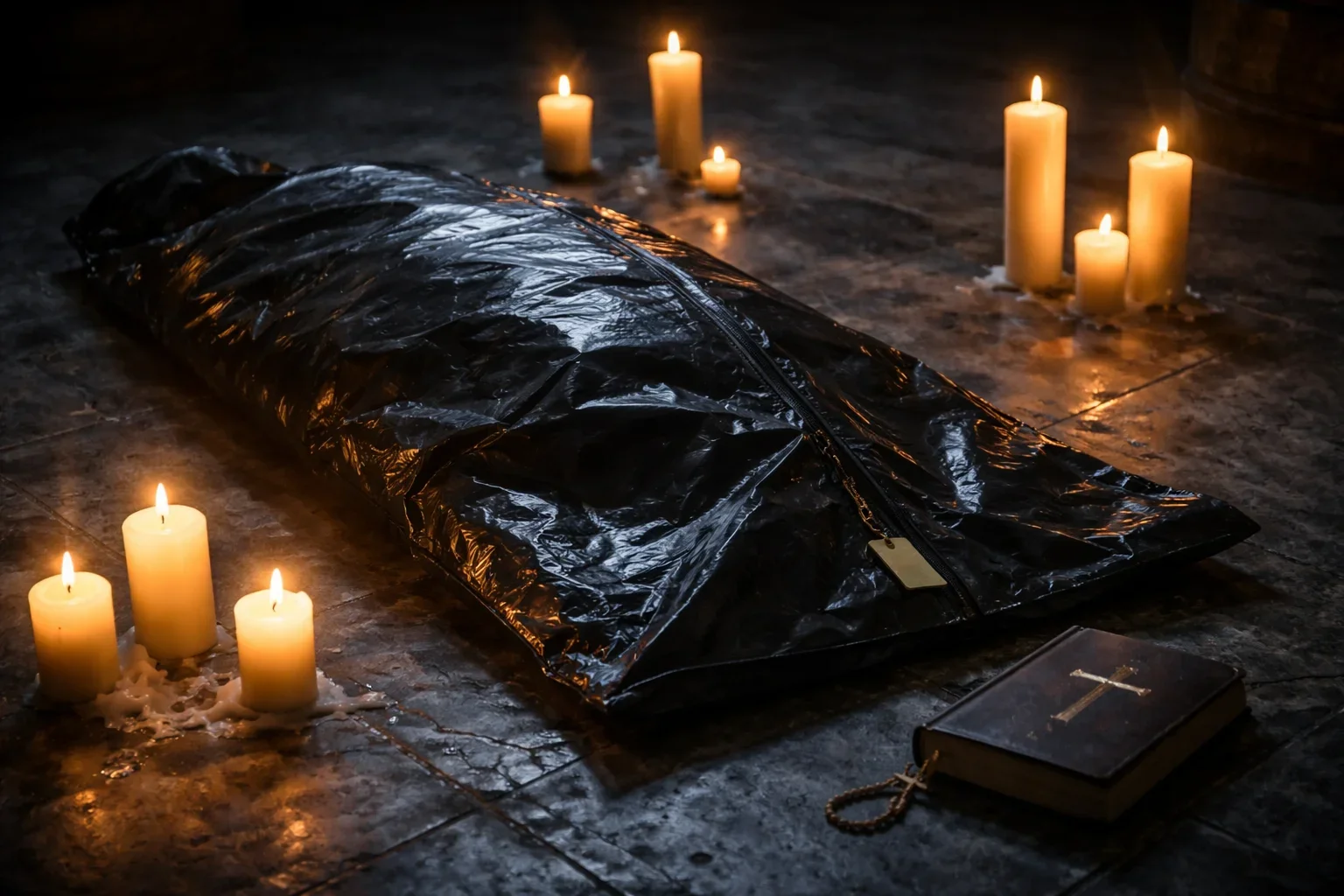
While that deserted square was surrendered to history, thousands of families were living through grief without comfort: funerals reduced or postponed, the impossibility of accompanying loved ones—delivered in black waste bags—in their final moments, and the lack of a sacrament awaited for a lifetime. Today, in the light of so many denied and obscured truths during an emergency induced by liberty-killing decrees, this remains an open spiritual wound, one that deeply questions the role and the choices of the Bergoglian Church during those months.
And today, re-reading that image, the question is no longer just what it represented then, but what it reveals now. Today, that same image appears different. Not refuted, but incomplete.
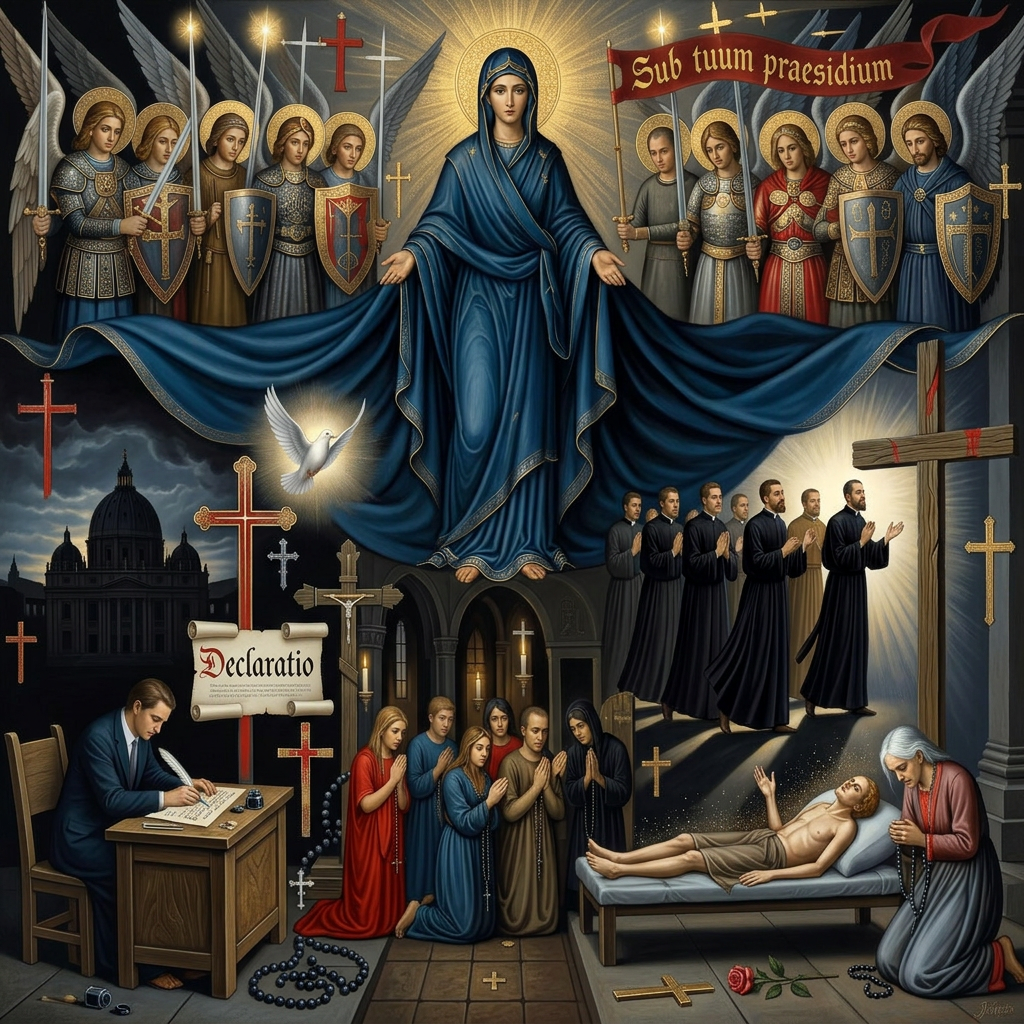
Because the pain is not over. Yet, on certain fronts, a silence difficult to understand seems to have fallen. The request for a public celebration on March 18 addressed to the Holy Father was simple: an encounter, a moment of listening, a celebration in suffrage for the victims of the Covid management and for those who, even today, live with consequences and suffering they wish to be able to recount. Not an ideological stance, not a condemnation, but a pastoral gesture. And yet, no—we received a diplomatic response, because these victims, their families, and those suffering from side effects are probably not "Sinners"...

The pontificate of Pope Leo XIV reveals itself to be in obvious continuity with that of Francis on this theme; he does not seem to have chosen a different path, but rather continues to tread that of institutional prudence, the low profile, and the absence and refusal to listen to suffering.
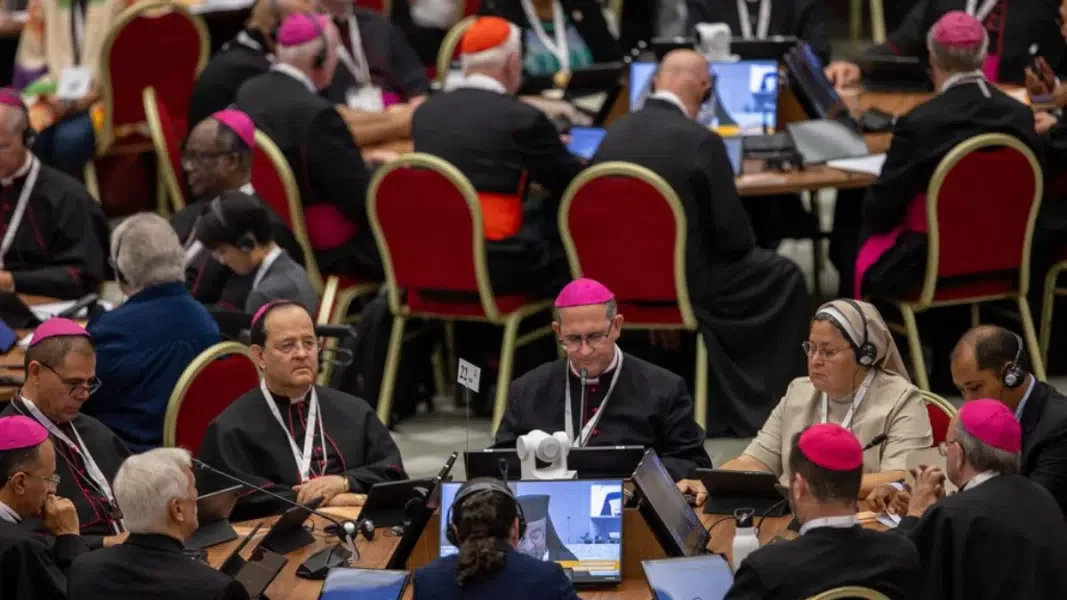
But the question remains, and it becomes increasingly pressing: why? Why does the Church, which built its mission on the welcoming of pain, seem today to hesitate before those who ask to be heard? Why can no place be found for a solemn, public Mass that gathers all victims without distinction, without controversy, and without fear?
During the pandemic, millions of the faithful accepted difficult decisions: closed churches, suspended or limited sacraments, dispersed communities. These choices were justified by the coercive decrees signed by Conte, Speranza, and Draghi, which left deep scars. Many perceived a Church more attentive to external directives than to its sacramental vocation.
And today, a portion of the people remains feeling unheard. There remains a demand for truth, for transparency, and for the recognition of pain. There remains the sensation that certain sufferings are considered more "presentable" than others. And this is a pastoral problem before it is ever a political one.
The Church is not called to certify scientific data nor to substitute itself for health authorities. But it has always been called to stand by the side of those who suffer, without conditions. To give a voice to those who have none. To not fear questions, even when they are uncomfortable, and to not avoid listening to suffering. The risk, otherwise, is to appear selective in compassion.
And so, the point is not to determine who is right in the public debate, but to ask: why not create a space where all these people can feel welcomed? Why not offer at least one liturgical moment that excludes no one?
The same interrogation extends to other scenarios. Faced with international conflicts and growing tensions, such as those involving the United States, or Israel against Iran, many expected a clear word capable of going beyond diplomatic balances. And yet, nothing. The Church, when it speaks with freedom, still knows how to shake consciences. But when it remains silent, or seems restrained, it leaves room for interpretations that weaken its moral authority.
For silence, when it concerns human suffering, is never neutral.
And because the credibility of the Church is not measured by its ability to avoid conflict, but by its ability to remain faithful to its own mission—even when it is difficult, even when it costs, even when it exposes. The question, in the end, is simple and radical: can the Church afford not to listen to those who suffer?
If the answer is no, as history teaches, then it is time to reopen the doors. Not only those of the basilicas, but the doors of listening, of dialogue, and of concrete mercy. Because without this, even the most crowded square risks appearing empty. And today, on the "Day of Memory for the Victims of Covid," the Church failed to offer its main altar, that of St. Peter's, keeping at a distance the suffering of those who remained.
For in this refusal, not only is a disillusionment born. A question is born that is destined to remain: If not here, where? If not now, when?
Andrea Caldart
Cover photo: AI-generated image
Source: QuotidianoWeb
Authorized Translation: Louis Lurton