Le pape François conserve l'idée de la synodalité, c'est-à-dire l'idée que l'Église est un processus d'écoute, de consultation et de lutte, a déclaré le jésuite autrichien Andreas Batlogg à Kirche-und-Leben.de le 17 avril. Il a écrit plusieurs livres sur François, dont une première biographie.
En ce qui concerne le synode amazonien de 2019, le père Batlogg a déclaré que François avait failli abolir le célibat : "Puis il y a eu un retour de bâton massif. Et il a ralenti.
Une situation similaire s'est produite avec le Synode sur la synodalité, qui s'est achevé sans document final.
La division interne de l'Église sous François est devenue "très profonde" : "Il y avait une résistance ouverte, pas seulement en coulisses".
Avec Léon XIV, cependant, il y a eu "davantage un changement de ton qu'une rupture de fond", selon le père Batlogg.
Léon XIV se présente comme plus calme et plus contrôlé, avec une plus grande attention à la clarté et un comportement plus traditionnel : "Cependant, il s'agit d'abord de questions de style".
Et : "En termes de contenu, je vois que de nombreuses politiques sont poursuivies, telles que la synodalité, les questions sociales et la perspective globale."
Le père Batlogg l'explique ainsi : "François a ouvert les portes, et Léon commence maintenant à organiser les pièces qui se trouvent derrière."
 AREAM SUAM
Léon XIV poursuit le chemin de François, mais avec un ton différent
Biographe de 'François'
Original language
Articles on the same topic
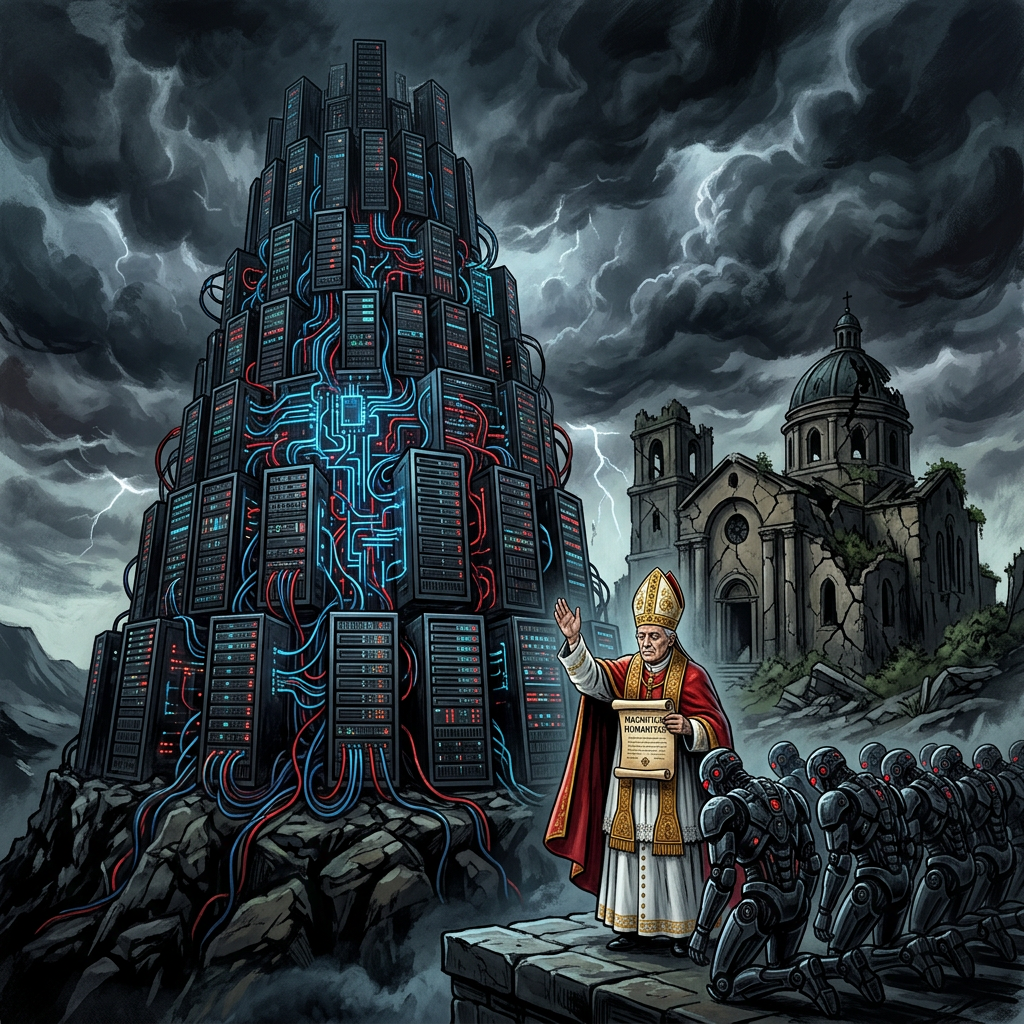
Reflections on the Encyclical «Magnifica humanitas»
Antonio Romano continues his work of exposing Leonine antipapacy with a biting reading of the «encyclical» ‘Magnifica Humanitas’, a superb piece crafted—with the aid of AI—to serve the Antichrist.
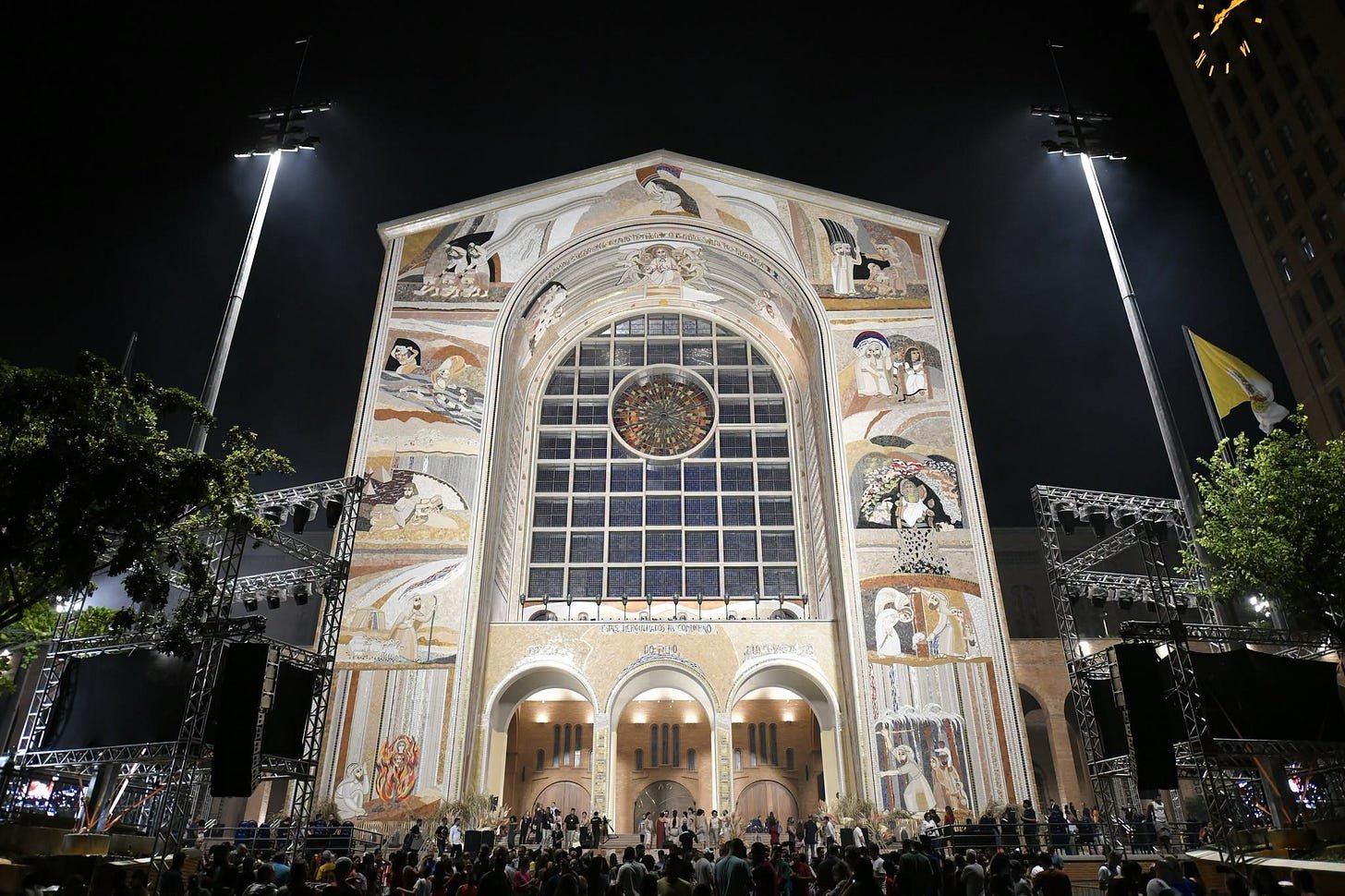
Aparecida in celebration for the mosaics covering those in Lourdes
The pope approves in France the covering of the works by Marko Rupnik, who is under trial for abuse, but blesses the solemn inauguration in Brazil of the basilica façade signed by the Centro Aletti
It seems that the right hand of Pope Leo XIV does not know what the left hand is doing, yet the Church of Rome does not appear concerned about clarifying anything to the faithful or even to the clergy. And yet, no explanation comes to mind.
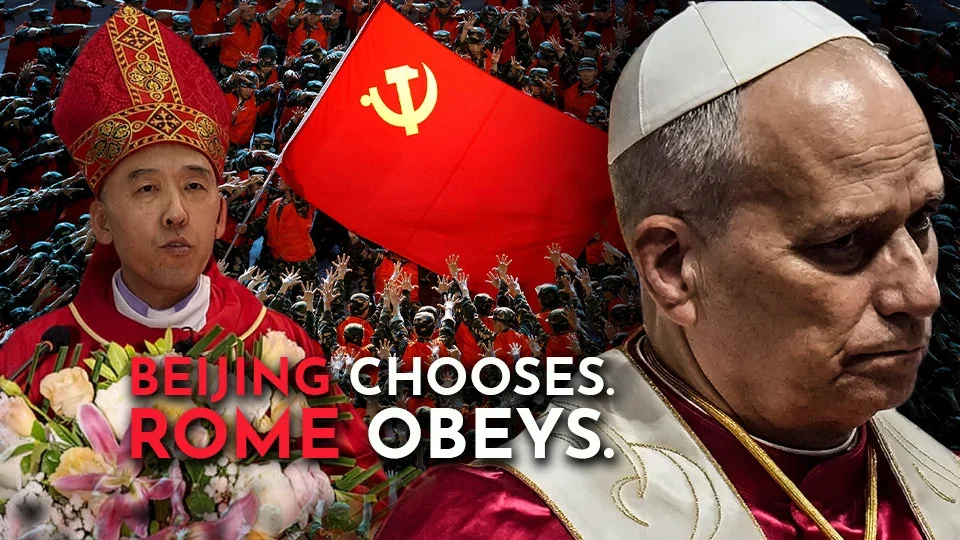
Catholicism’s Surrender to Maoism
Beijing Chooses Communist Bishops. Rome Says Yes.
Beijing has chosen a new Catholic bishop who promoted Communist ideology, participated in Maoist political “re-education,” and dismissed reports of persecution against Catholics in his own diocese. Rome approved him anyway. The consecration of Paul Liu Honggang, argues Gaetano Masciullo, is a shocking example of what the Sino-Vatican agreement has produced: The Communist regime chooses, and Rome goes along with it.