El papa Francisco mantiene la idea de la sinodalidad, es decir, la idea de que la Iglesia es un proceso de escucha, consulta y lucha, declaró el jesuita austriaco Andreas Batlogg a Kirche-und-Leben.de el 17 de abril. Ha escrito varios libros sobre Francisco, incluyendo una primera biografía.
Con respecto al sínodo amazónico de 2019, el padre Batlogg declaró que Francisco casi había abolido el celibato: "Luego hubo un contragolpe masivo. Y se ralentizó.
Una situación similar ocurrió con el Sínodo sobre la sinodalidad, que terminó sin documento final.
La división interna de la Iglesia bajo Francisco se ha vuelto "muy profunda": "Había una resistencia abierta, no solo entre bastidores".
Con León XIV, sin embargo, hubo "más bien un cambio de tono que una ruptura de fondo", según el padre Batlogg.
León XIV se presenta como más tranquilo y más controlado, con mayor atención a la claridad y un comportamiento más tradicional: "Sin embargo, se trata principalmente de cuestiones de estilo".
Y: "En términos de contenido, veo que muchas políticas continúan, como la sinodalidad, las cuestiones sociales y la perspectiva global".
El padre Batlogg lo explica así: "Francisco abrió las puertas, y León ahora comienza a organizar las habitaciones que se encuentran detrás".
 AREAM SUAM
León XIV continúa el camino de Francisco, pero con un tono diferente
Biógrafo de 'Francisco'
Translated from French by AI
Articles on the same topic
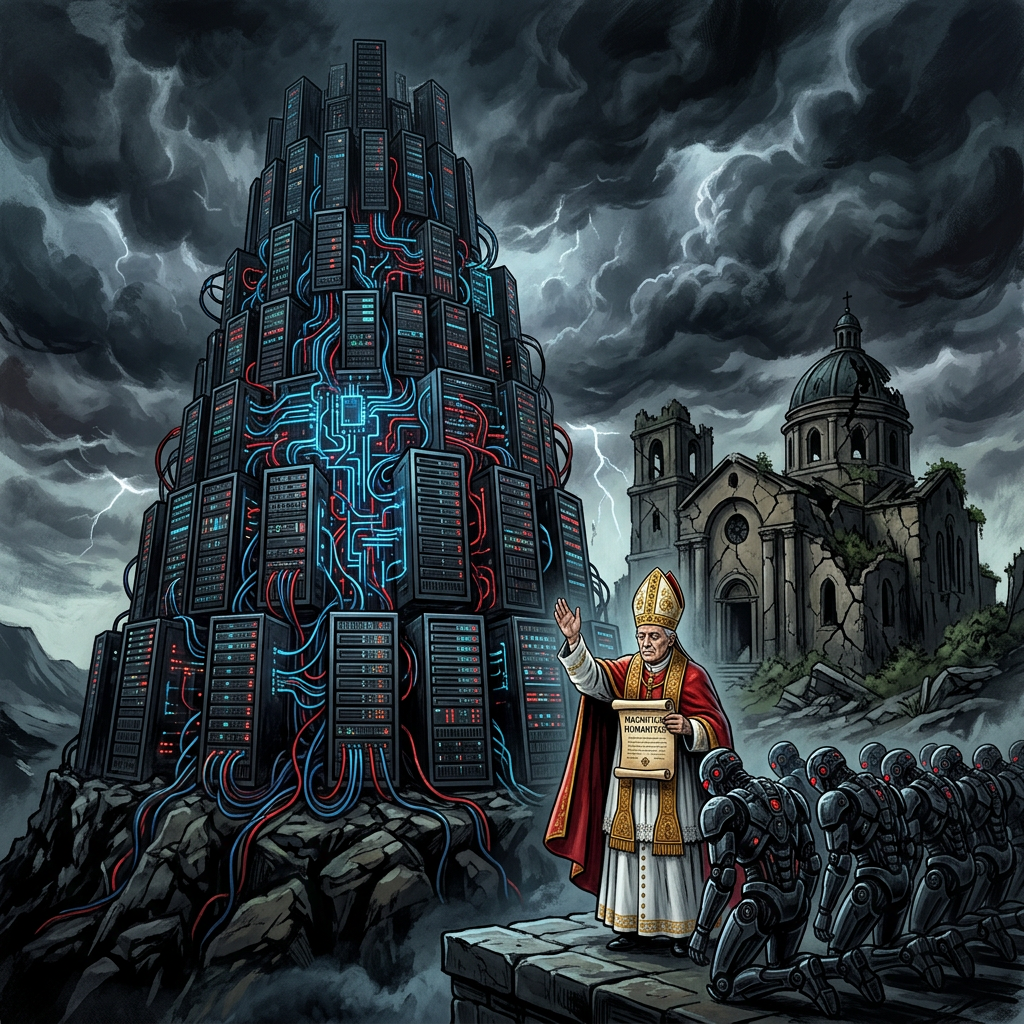
Reflections on the Encyclical «Magnifica humanitas»
Antonio Romano continues his work of exposing Leonine antipapacy with a biting reading of the «encyclical» ‘Magnifica Humanitas’, a superb piece crafted—with the aid of AI—to serve the Antichrist.
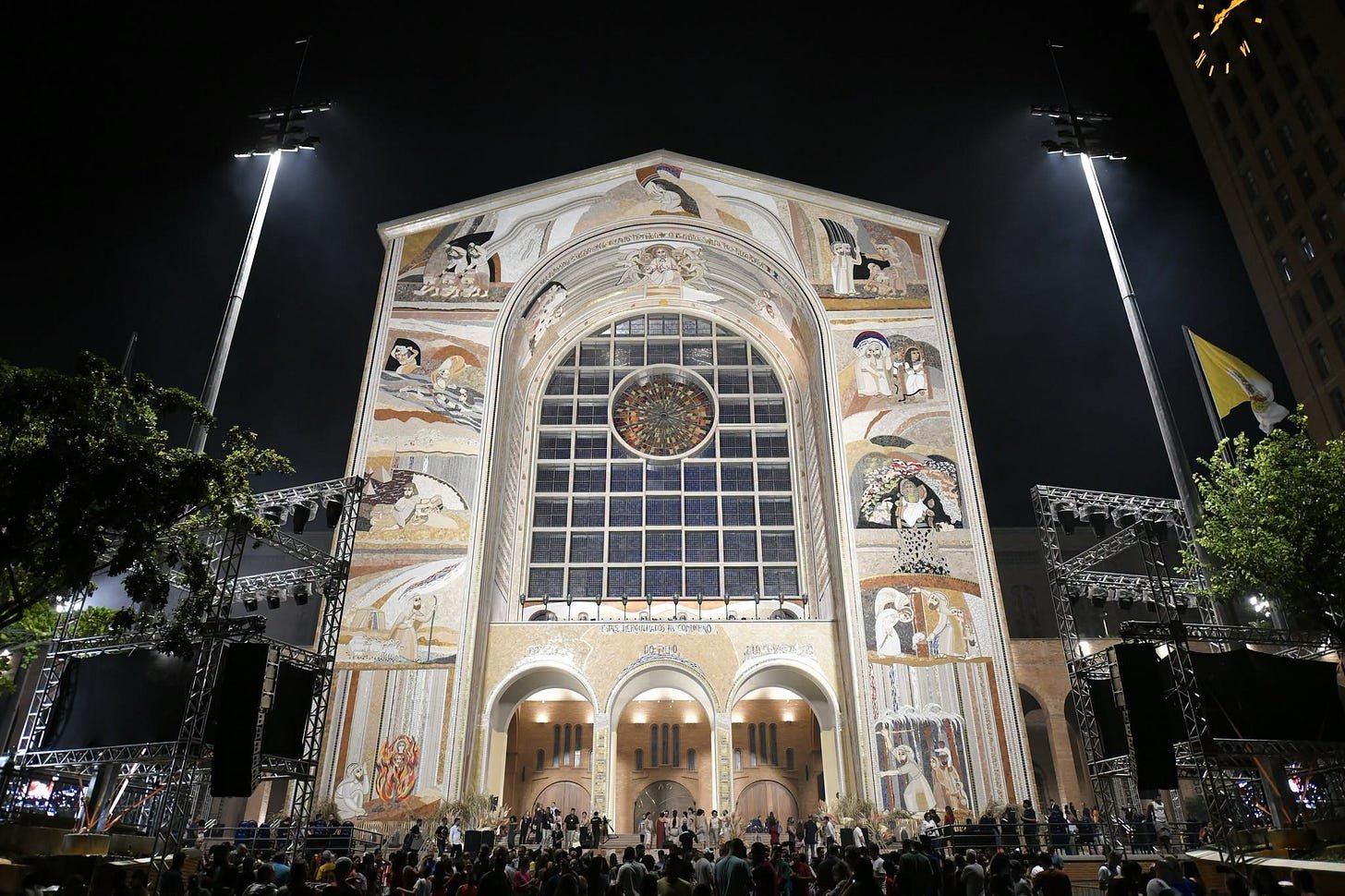
Aparecida in celebration for the mosaics covering those in Lourdes
The pope approves in France the covering of the works by Marko Rupnik, who is under trial for abuse, but blesses the solemn inauguration in Brazil of the basilica façade signed by the Centro Aletti
It seems that the right hand of Pope Leo XIV does not know what the left hand is doing, yet the Church of Rome does not appear concerned about clarifying anything to the faithful or even to the clergy. And yet, no explanation comes to mind.
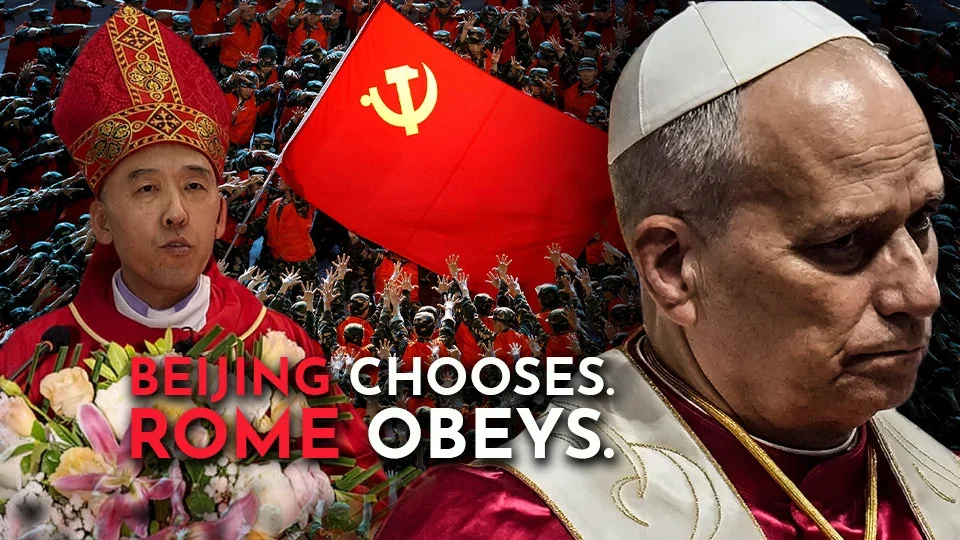
Catholicism’s Surrender to Maoism
Beijing Chooses Communist Bishops. Rome Says Yes.
Beijing has chosen a new Catholic bishop who promoted Communist ideology, participated in Maoist political “re-education,” and dismissed reports of persecution against Catholics in his own diocese. Rome approved him anyway. The consecration of Paul Liu Honggang, argues Gaetano Masciullo, is a shocking example of what the Sino-Vatican agreement has produced: The Communist regime chooses, and Rome goes along with it.