Il papa Francesco conserva l'idea della sinodalità, cioè l'idea che la Chiesa è un processo di ascolto, consultazione e lotta, ha dichiarato il gesuita austriaco Andreas Batlogg a Kirche-und-Leben.de il 17 aprile. Ha scritto diversi libri su Francesco, tra cui una prima biografia.
Per quanto riguarda il sinodo amazzonico del 2019, il padre Batlogg ha dichiarato che Francesco aveva rischiato di abolire il celibato: "Poi c'è stata una forte reazione contraria. E ha rallentato.
Una situazione simile si è verificata con il Sinodo sulla sinodalità, che si è concluso senza documento finale.
La divisione interna della Chiesa sotto Francesco è diventata "molto profonda": "C'era una resistenza aperta, non solo dietro le quinte".
Con Leone XIV, tuttavia, c'è stato "piuttosto un cambiamento di tono che una rottura sostanziale", secondo il padre Batlogg.
Leone XIV si presenta come più calmo e più controllato, con maggiore attenzione alla chiarezza e un comportamento più tradizionale: "Tuttavia, si tratta soprattutto di questioni di stile".
E: "In termini di contenuto, vedo che molte politiche sono proseguite, come la sinodalità, le questioni sociali e la prospettiva globale."
Il padre Batlogg lo spiega così: "Francesco ha aperto le porte, e Leone ora sta iniziando a organizzare le stanze che si trovano dietro."
 AREAM SUAM
Leone XIV prosegue il cammino di Francesco, ma con un tono diverso
Biografo di 'Francesco'
Translated from French by AI
Articles on the same topic
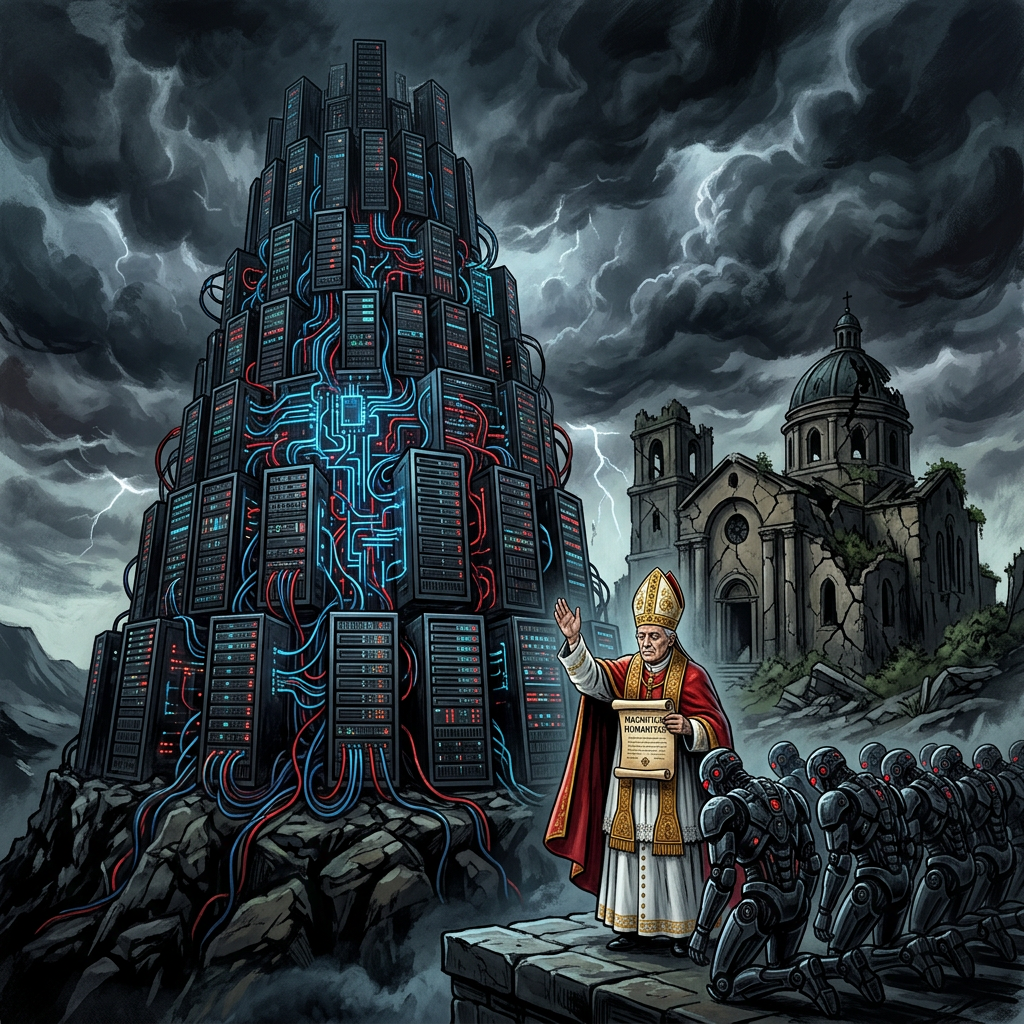
Reflections on the Encyclical «Magnifica humanitas»
Antonio Romano continues his work of exposing Leonine antipapacy with a biting reading of the «encyclical» ‘Magnifica Humanitas’, a superb piece crafted—with the aid of AI—to serve the Antichrist.
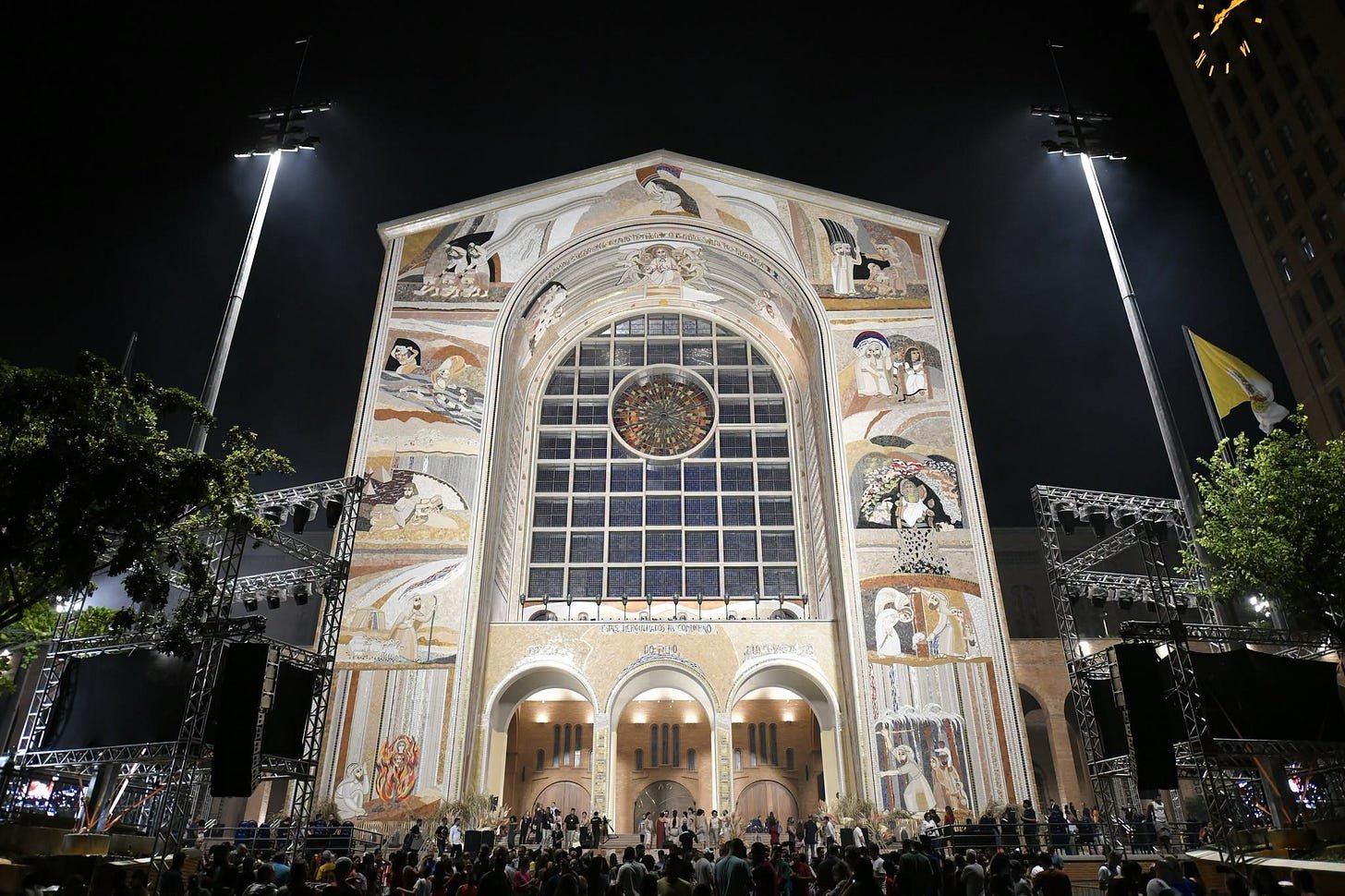
Aparecida in celebration for the mosaics covering those in Lourdes
The pope approves in France the covering of the works by Marko Rupnik, who is under trial for abuse, but blesses the solemn inauguration in Brazil of the basilica façade signed by the Centro Aletti
It seems that the right hand of Pope Leo XIV does not know what the left hand is doing, yet the Church of Rome does not appear concerned about clarifying anything to the faithful or even to the clergy. And yet, no explanation comes to mind.
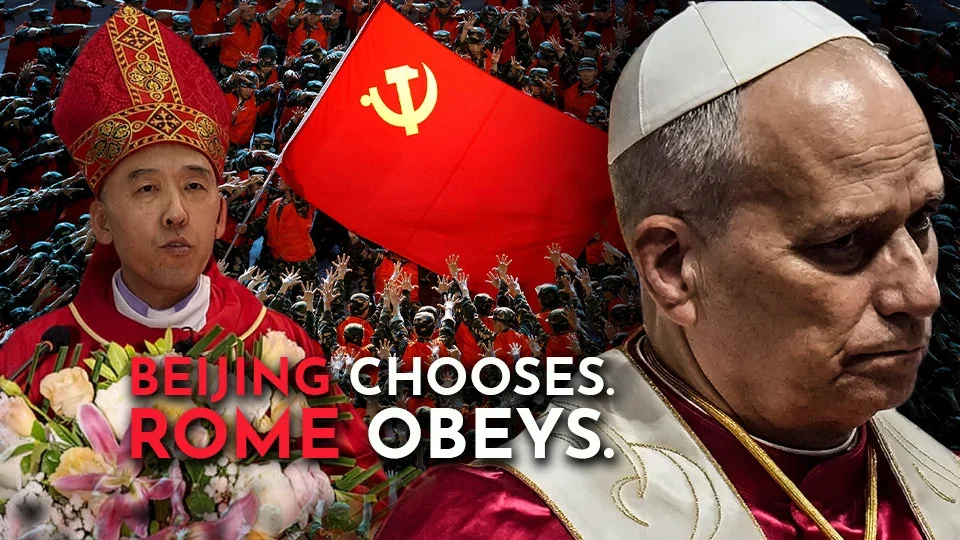
Catholicism’s Surrender to Maoism
Beijing Chooses Communist Bishops. Rome Says Yes.
Beijing has chosen a new Catholic bishop who promoted Communist ideology, participated in Maoist political “re-education,” and dismissed reports of persecution against Catholics in his own diocese. Rome approved him anyway. The consecration of Paul Liu Honggang, argues Gaetano Masciullo, is a shocking example of what the Sino-Vatican agreement has produced: The Communist regime chooses, and Rome goes along with it.