Pope Francis preserves the idea of synodality, that is to say the idea that the Church is a process of listening, consultation and struggle, declared Austrian Jesuit Andreas Batlogg to Kirche-und-Leben.de on April 17. He has written several books on Francis, including an early biography.
Regarding the 2019 Amazon synod, Father Batlogg stated that Francis had nearly abolished celibacy: "Then there was massive backlash. And he slowed down.
A similar situation occurred with the Synod on Synodality, which ended without a final document.
The internal division of the Church under Francis has become "very profound": "There was open resistance, not just behind the scenes".
With Leo XIV, however, there has been "more a change of tone than a fundamental rupture", according to Father Batlogg.
Leo XIV presents himself as calmer and more controlled, with greater attention to clarity and more traditional behaviour: "However, these are primarily matters of style".
And: "In terms of content, I see that many policies are being pursued, such as synodality, social issues and a global perspective."
Father Batlogg explains it this way: "Francis opened the doors, and Leo is now beginning to organize the rooms that lie behind."
 AREAM SUAM
Leo XIV continues Francis's path, but with a different tone
Biographer of 'Francis'
Translated from French by AI
Articles on the same topic
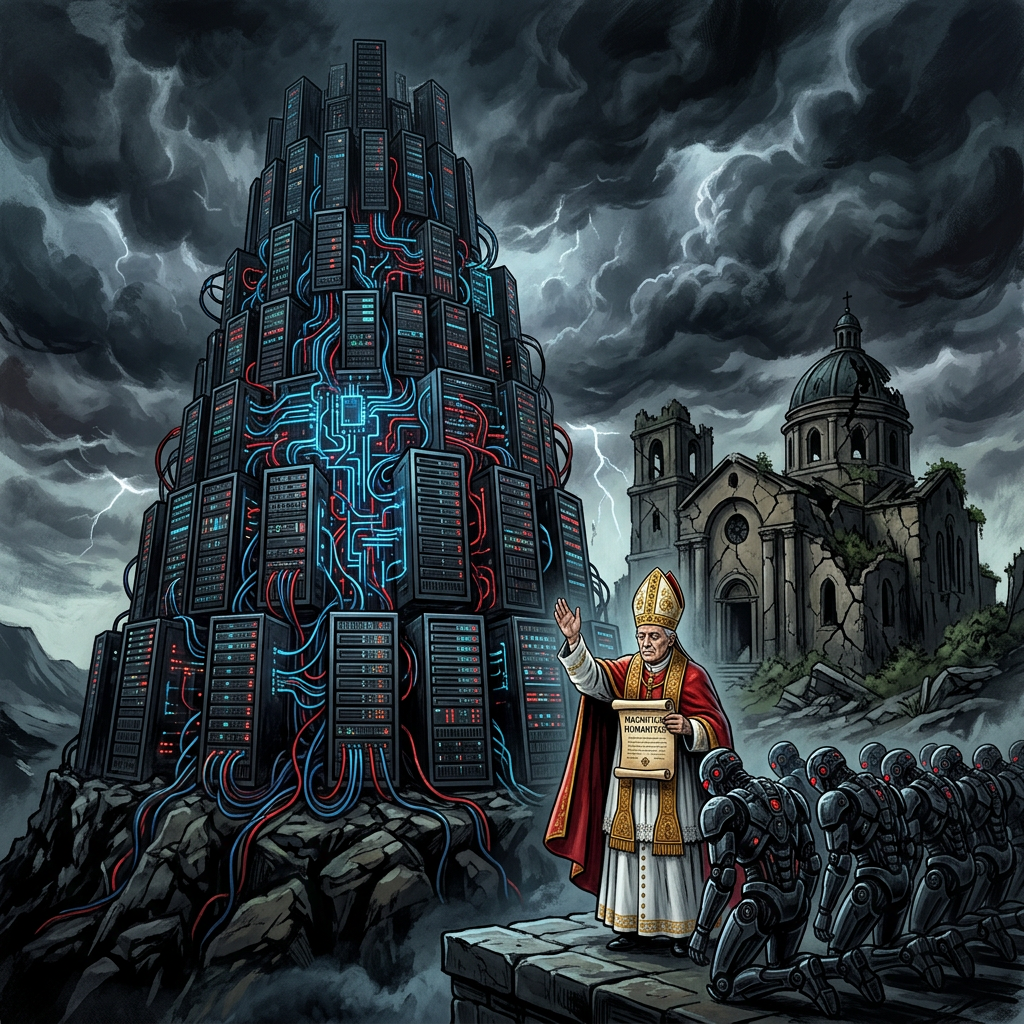
Reflections on the Encyclical «Magnifica humanitas»
Antonio Romano continues his work of exposing Leonine antipapacy with a biting reading of the «encyclical» ‘Magnifica Humanitas’, a superb piece crafted—with the aid of AI—to serve the Antichrist.
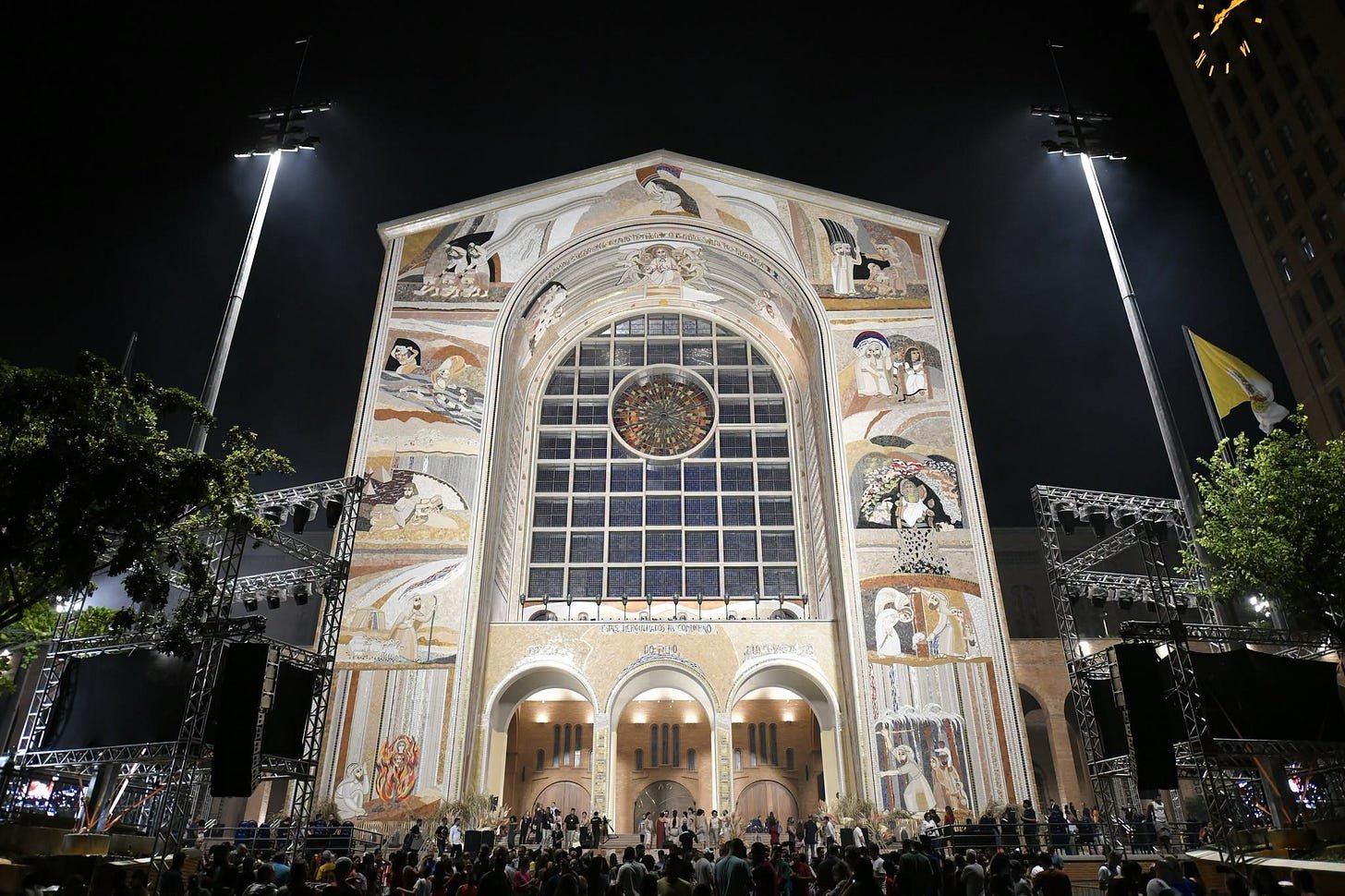
Aparecida in celebration for the mosaics covering those in Lourdes
The pope approves in France the covering of the works by Marko Rupnik, who is under trial for abuse, but blesses the solemn inauguration in Brazil of the basilica façade signed by the Centro Aletti
It seems that the right hand of Pope Leo XIV does not know what the left hand is doing, yet the Church of Rome does not appear concerned about clarifying anything to the faithful or even to the clergy. And yet, no explanation comes to mind.
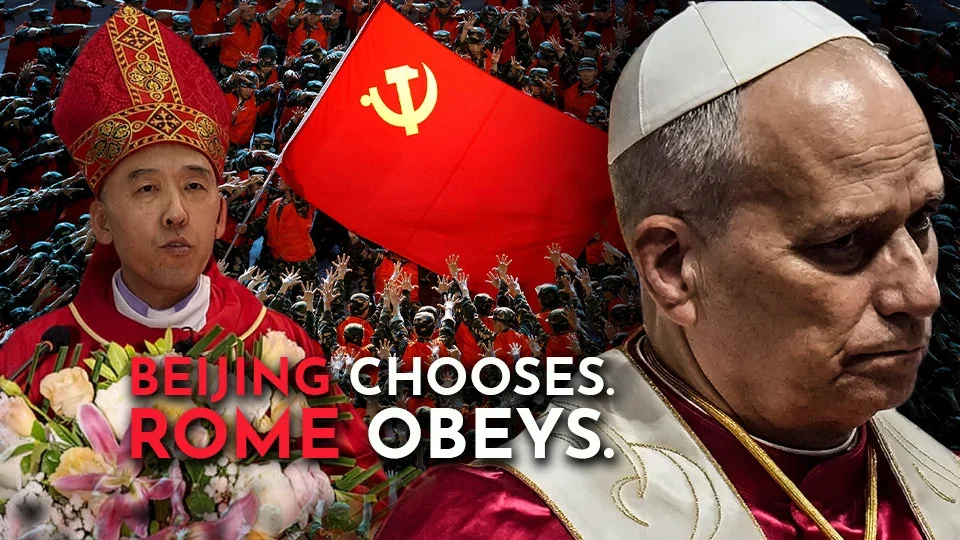
Catholicism’s Surrender to Maoism
Beijing Chooses Communist Bishops. Rome Says Yes.
Beijing has chosen a new Catholic bishop who promoted Communist ideology, participated in Maoist political “re-education,” and dismissed reports of persecution against Catholics in his own diocese. Rome approved him anyway. The consecration of Paul Liu Honggang, argues Gaetano Masciullo, is a shocking example of what the Sino-Vatican agreement has produced: The Communist regime chooses, and Rome goes along with it.