Many people may have heard this dialogue involving the pope and his secretary:
“Your Holiness, excuse me for bothering you, but I have some good news and some bad news to share. Which one would you like to hear first?”
The pope answered, “Well, let’s have the good news first.”
The secretary responded, “Jesus has returned, and he’s holding for you on line one.”
The pope cried out, “Well, that’s stupendous news! Just wonderful! What on earth could be bad news after learning that?”
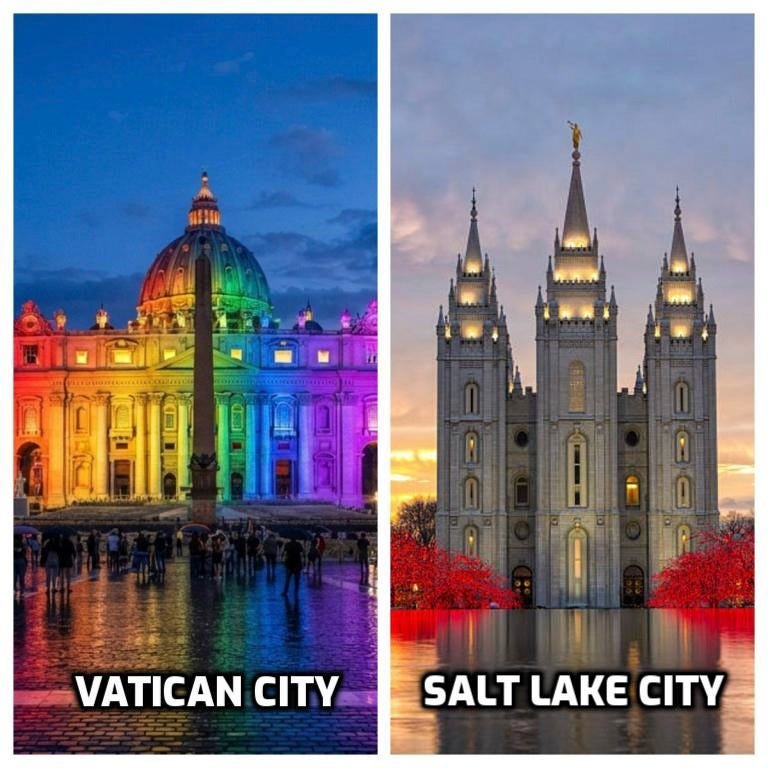
“He’s calling from Salt Lake City.”
Because Catholics are taught that the Catholic Church possesses the “fullness of the truth,” they believe that if Jesus Christ were to return today, he would feel more “at home” living and praying with Catholics than he would, for example, with Mormons or evangelical Protestants. But is this true? Would Jesus, like Chicago Cardinal Blase Cupich, approve of the distribution of his Body and Blood to politicians and others who support homosexual behavior or the killing of unborn children? Consider how Catholics, pastored today mainly by homosexual clergy, are not only more inclined than evangelical Protestants to see nothing morally wrong with abortion and homosexuality, but Catholics, particularly members of the hierarchy, are also more inclined to vote for Democratic politicians who are more pro-LGBTQ and pro-abortion than most Republican officeholders.
For decades, practicing Catholics were as opposed to abortion access as evangelical Protestants. Over the past fifteen years, however, evangelical Protestants have shown themselves to be more opposed to abortion access than most practicing Catholics, with some notable exceptions to be identified later.
But what about sexual relations between two adults of the same sex? Studies show that the vast majority of evangelicals have always considered same-sex relations to be wrong. The percentage of evangelical Protestants who believe that same-sex relations are “always wrong” dropped from 91% in 1973 to 78% today. Compare that to how the percentage of practicing Catholics who believe that same-sex relations are “always wrong” dropped dramatically from 75% in 1973 to only 33% today. Consequently, most Catholics who go to Mass every week are 45 percentage points more likely to believe that homosexual behavior is not wrong compared to weekly attending evangelicals.
As long as the Pope, along with most bishops and priests, are closeted homosexuals, one cannot expect them to educate the laity as to why the Catholic Church has always viewed homosexual behavior as a violation of the Natural and Divine Laws. Without such education, many Catholics are being misled by closeted homosexual clergy, including the Pope and almost all but a small number of cardinals and bishops from Africa, India, and some Eastern European countries. These pro-LGBTQ prelates would like to change the “attitudes” of Catholics to accept their closeted lifestyle and view homosexual behavior as moral and wholesome as the life-giving love shared between a married husband and wife.
If the heterophobic Lavender Mafia is partially responsible for making 45% of Catholics more likely to accept homosexual behavior than evangelical Protestants, it’s because many Catholics have bought a number of lies about homosexual behavior that contradict the Catechism of the Catholic Church which deems this behavior to be “intrinsically disordered.” Some of the most common lies that lay Catholics have been fed are:
Lie # 1: “There is no relation between clerical sex abuse and the high percentage of closeted homosexual bishops, priests, and seminarians in the Catholic Church.”
Courageous bishops like Archbishop Carlo Maria Viganò, former Tyler Bishop Joseph Strickland, retired Swiss Bishop Marian Eleganti, as well as researchers like Rev. Dr. Paul Sullins, Rev. Dr. Dariusz Oko, and others have debunked this lie by showing that there is a strong statistical correlation between the rise of homosexual priests (and homosexual subcultures in seminaries) and the incidence of sex abuse by Catholic clergy.
Lie # 2: “Predator priests make up only around 4% of U.S. Catholic clergy.”
This lie, reported in the 2004 John Jay College Study, was based on gross underreporting by the bishops. One Archbishop reported just “two cases” of sexual abuse when, in fact, there were over 500 cases that were reported to the Archdiocese for the Military Services, USA. The actual percentage of predator priests in the U.S. is not 4%, but between 23% and 25%. In my own Altoona-Johnstown Diocese, 25.5% (51 out of 200) of our priests were accused of abuse.
Lie # 3: “Reported predator prelates like Chicago Cardinal Joseph Bernardin, Los Angeles Cardinal Roger Mahony, Omaha Archbishop George Lucas, and countless others were falsely accused of abuse.”
Lies that these abusive Church leaders were innocent were exposed by victims whose testimony, often in court records, is often covered up by the Church and media. Most victims are paid “hush money,” as happened in the case of Cardinal Bernardin and former seminarian Stephen Cook, to mislead the public into believing that the victim’s sex abuse allegations were recanted. Pope Francis and Pope Leo XIV both praised credibly accused predator clerics like Cardinal Bernardin and Italian Father Lorenzo Milani, while failing to discipline Slovenian Father Marko Rupnik and over 160 bishops credibly accused of abusing children and vulnerable adults.
Lie # 4: “People are born either straight or gay and cannot change their orientation.”
This lie has been proven false by research showing that there is no “gay gene” and that it is possible for homosexuals to change their orientation and lead happy heterosexual lives. Researchers at the Ruth Institute have also shown how attempts to change sexual orientation, if carried out properly, are not harmful as some have argued.
Lie # 5: “LGBT people experience mental health and physical problems because society discriminates against them.”
If countless homosexual clergy were reported in 2000 by the Kansas City Star of dying of AIDS, it was not because Catholic parishioners did not affirm their gay lifestyle and “disordered” behavior. If research from public health organizations like the Centers for Disease Control and Prevention and the National Institutes of Health shows that members of the LGBTQ community experience higher rates of certain mental health challenges, physical health disparities, and suicide risk compared to heterosexual peers, it’s not because members of society do not affirm their lifestyle. Rather, their physical and mental problems stem from their behavior which for centuries has been deemed a violation of both Divine Law and Natural Law. When you act against the Natural Law, you are always going to lose.
If Catholic Church leaders and laity continue to compromise the scripturally based dogmatic and moral teachings of the Church on issues like homosexuality and abortion, and if they ignore studies confirming a correlation between clerical sexual abuse and the percentage of homosexual men in the priesthood and episcopacy, they can be expected to follow in the footsteps of most mainstream Protestant denominations, which have experienced a dramatic decline in membership.
Not all Protestant Churches have compromised their biblically based beliefs on issues like abortion and homosexual behavior. The largest United Methodist Church in the U.S., with about 15,000 members and an annual income of more than $22 million voted recently by a margin of 90.35% to “sever all of its ties, affiliations, and connections to The United Methodist Church,” according to UM News. The United Methodist Church’s shift toward LGBTQ+ inclusion played a central role in this Dallas congregation’s recent vote to exit the parent denomination. This departure mirrors a massive nationwide fracture; between 2019 and 2023, over 7,600 congregations disaffiliated from the denomination. Meanwhile, The Christian Post reported that approximately 70 South Carolina congregations are actively pursuing their own exits while fighting to retain ownership of their local properties. In 2025 alone, membership in the United Methodist Church fell by 174,000.
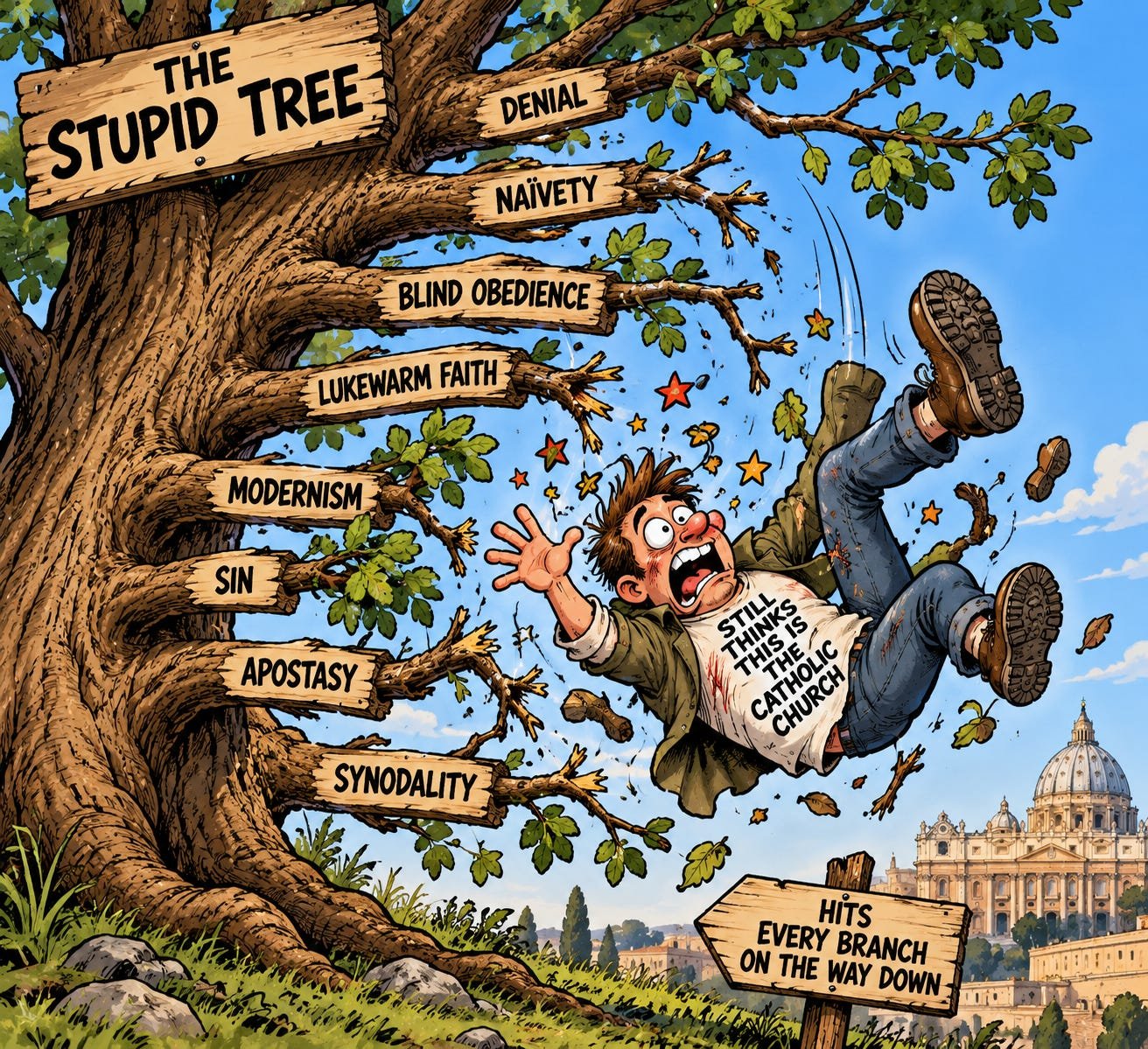
The fracture of the Methodist Church is similar in some ways to what is happening in Roman Catholicism today where the Pope and other closeted homosexual bishops and priests are moving many Catholics to leave the Church or worship in splinter groups like the Society of St. Pius X (SSPX), the English Catholic Church, or even evangelical Protestant Churches like the Lutheran Church - Missouri Synod. Interestingly, while there is a growing disparity of beliefs on issues like homosexual behavior and abortion between many Novus Ordo parishes pastored by homosexual clergy and evangelical Protestant Churches, the percentage of moral and religious differences between Catholics who attend the Traditional Latin Mass (TLM) and evangelical Protestant Churches is negligible, far less than the 41% difference registered between Novus Ordo Catholics and evangelical Protestants.
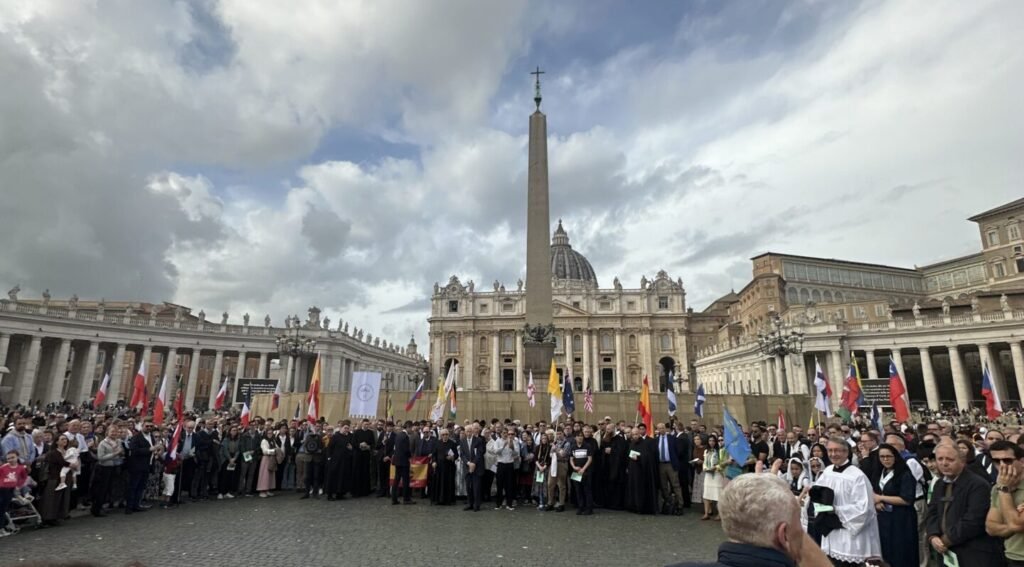
Pope Leo and his closeted homosexual clergy feel threatened and have taken steps to excommunicate traditional Catholics like members of the SSPX, or intimidate Catholics who have found inspiration and a spiritual home for themselves and their children in TLM communities. The following statistics from a 2018 study show how TLM Catholics are far more similar to evangelical Protestants than many Novus Ordo Catholic (NOC) parishioners.
Contraception Approval: 2% (TLM) vs. 89% (NOC)
Abortion Approval: 1% (TLM) vs. 51% (NOC)
Same-Sex Marriage Approval: 2% (TLM) vs. 67% (NOC)
Weekly Mass Attendance: 99% (TLM) vs. 22% (NOC)
Belief in the Real Presence (Eucharist): Nearly universal (98%+) among TLM attendees, compared to roughly one-third (33%) of general U.S. Catholics attending ordinary Novus Ordo parishes.
Financial Giving (% of income): 6% (TLM) vs. 1.2% (NOC)
Average Fertility Rate: 3.6 children (TLM) vs. 2.3 children (NOC)
In 1983, my medically retired friend, Albany Father Joseph Girzone, published a book entitled Joshua, which was the first of a series of books with the premise of Jesus returning to earth and living as an itinerant carpenter. The Joshua novels eventually numbered ten. They were translated into a dozen languages, selling more than three million copies, and became known among publishing executives as “the Joshua phenomenon.”
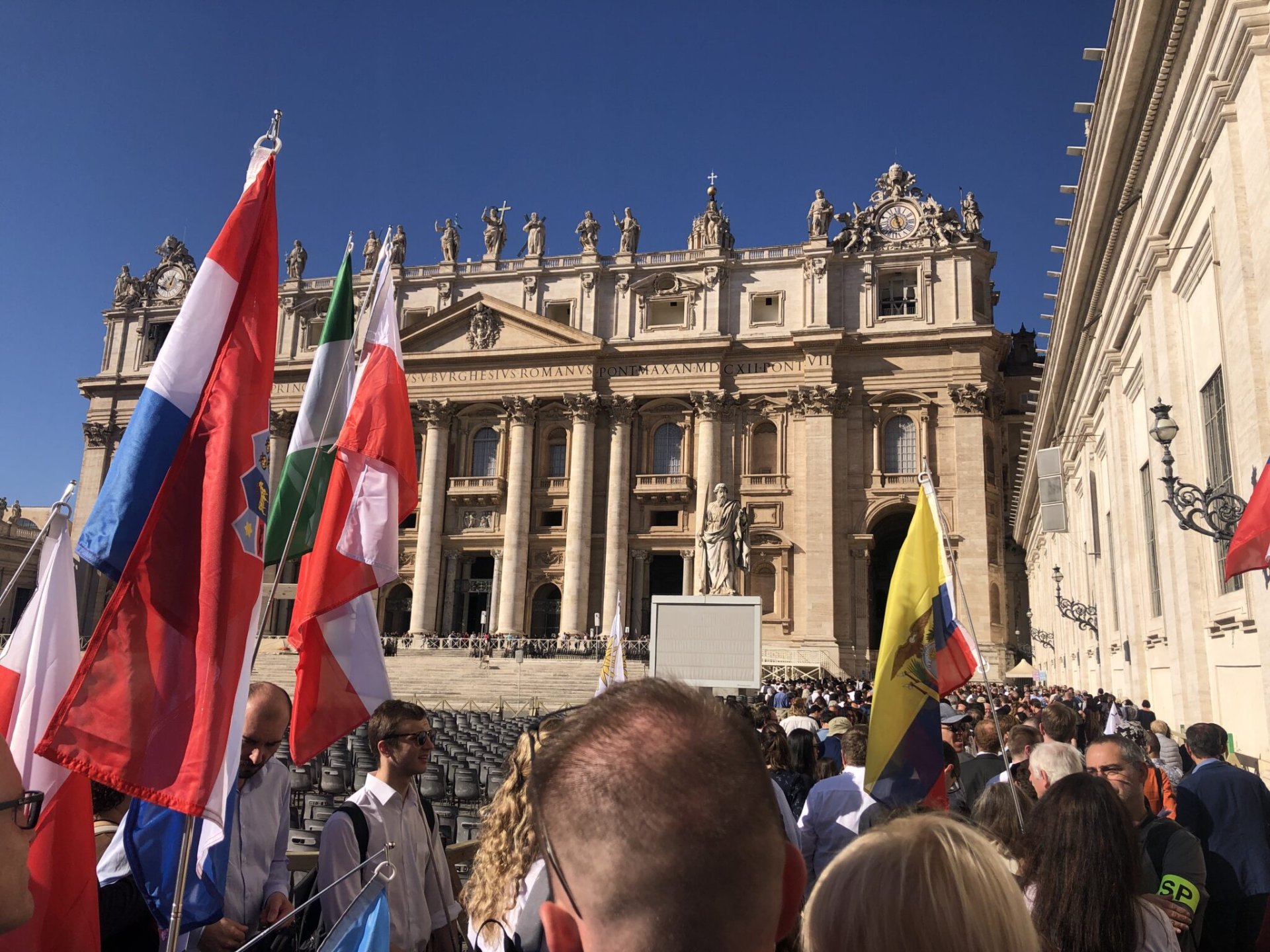
In the series, Joshua befriends religious leaders from different faith groups. At the end of his first novel, which was made into a full-length feature film, Joshua even meets with the Pope in Vatican City. If Jesus were to return today, where do you believe he would feel most “at home” in worshipping?