O papa Francisco preserva a ideia da sinodalidade, ou seja, a ideia de que a Igreja é um processo de escuta, consulta e luta, declarou o jesuíta austríaco Andreas Batlogg a Kirche-und-Leben.de em 17 de abril. Ele escreveu vários livros sobre Francisco, incluindo uma primeira biografia.
Com relação ao sínodo amazônico de 2019, o padre Batlogg declarou que Francisco quase aboliu o celibato : "Depois houve um retrocesso massivo. E ele desacelerou.
Uma situação semelhante ocorreu com o Sínodo sobre a sinodalidade, que terminou sem documento final.
A divisão interna da Igreja sob Francisco tornou-se "muito profunda" : "Havia uma resistência aberta, não apenas nos bastidores".
Com Leão XIV, porém, houve "mais uma mudança de tom do que uma ruptura fundamental", segundo o padre Batlogg.
Leão XIV apresenta-se como mais calmo e controlado, com maior atenção à clareza e um comportamento mais tradicional : "No entanto, trata-se principalmente de questões de estilo".
E : "Em termos de conteúdo, vejo que muitas políticas são prosseguidas, como a sinodalidade, as questões sociais e a perspectiva global."
O padre Batlogg o explica assim : "Francisco abriu as portas, e Leão agora começa a organizar as peças que estão atrás."
 AREAM SUAM
Leão XIV continua o caminho de Francisco, mas com um tom diferente
Biógrafo de 'Francisco'
Translated from French by AI
Articles on the same topic
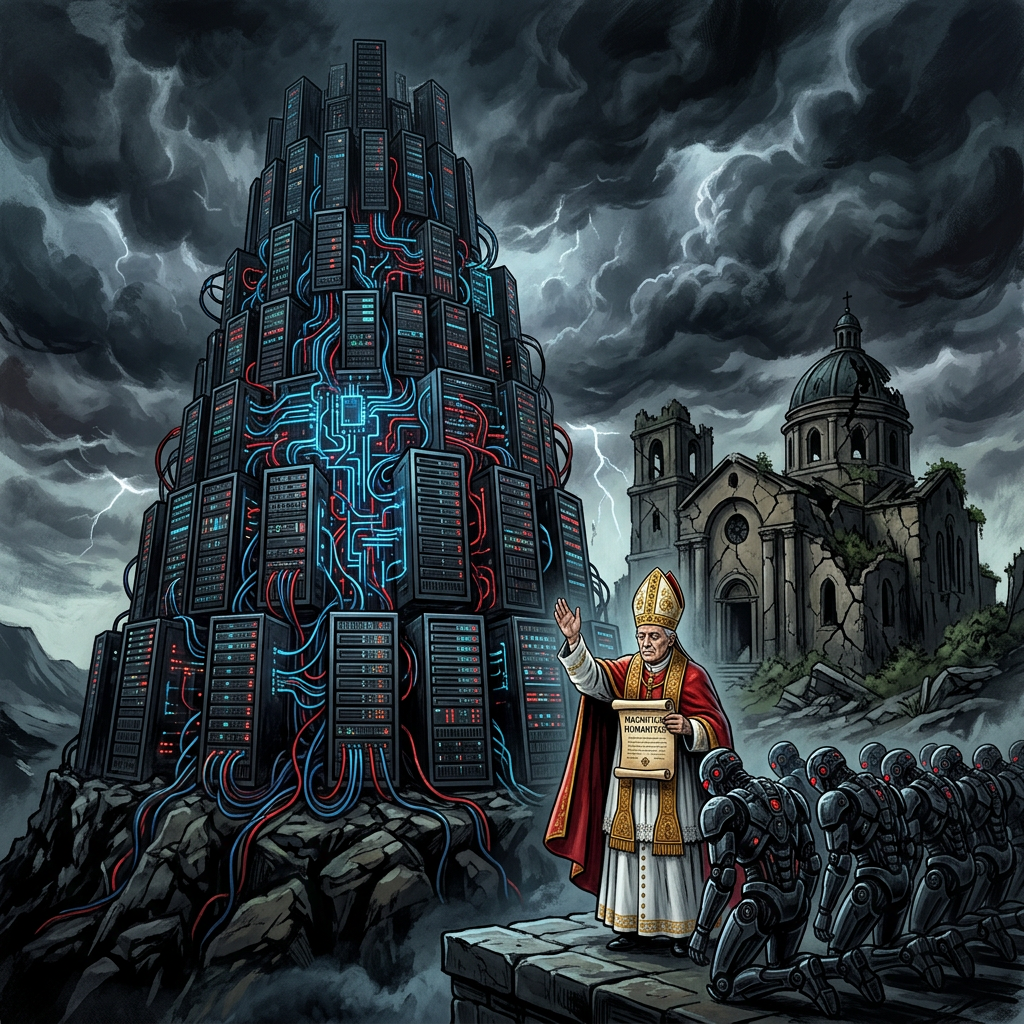
Reflections on the Encyclical «Magnifica humanitas»
Antonio Romano continues his work of exposing Leonine antipapacy with a biting reading of the «encyclical» ‘Magnifica Humanitas’, a superb piece crafted—with the aid of AI—to serve the Antichrist.
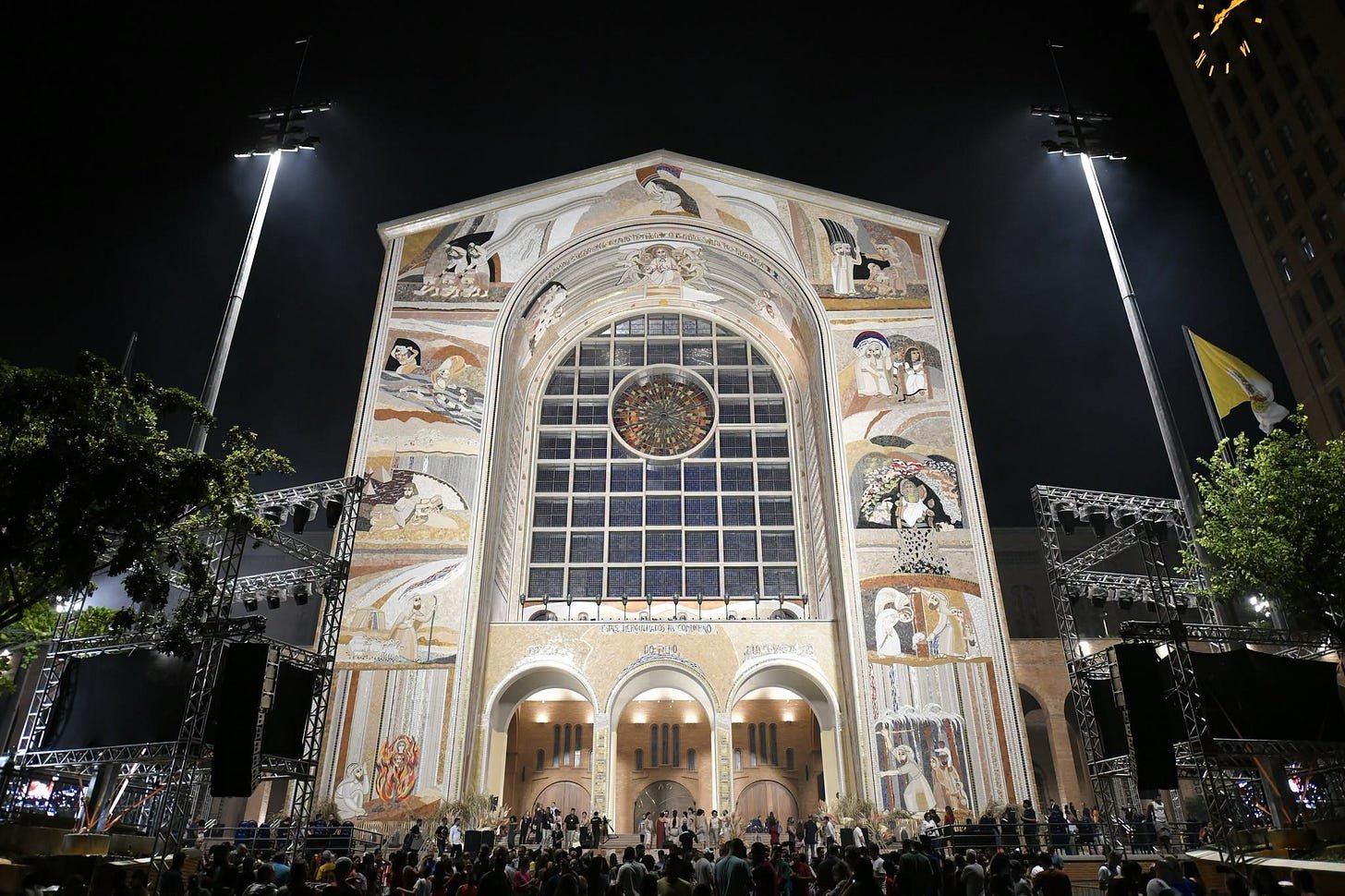
Aparecida in celebration for the mosaics covering those in Lourdes
The pope approves in France the covering of the works by Marko Rupnik, who is under trial for abuse, but blesses the solemn inauguration in Brazil of the basilica façade signed by the Centro Aletti
It seems that the right hand of Pope Leo XIV does not know what the left hand is doing, yet the Church of Rome does not appear concerned about clarifying anything to the faithful or even to the clergy. And yet, no explanation comes to mind.
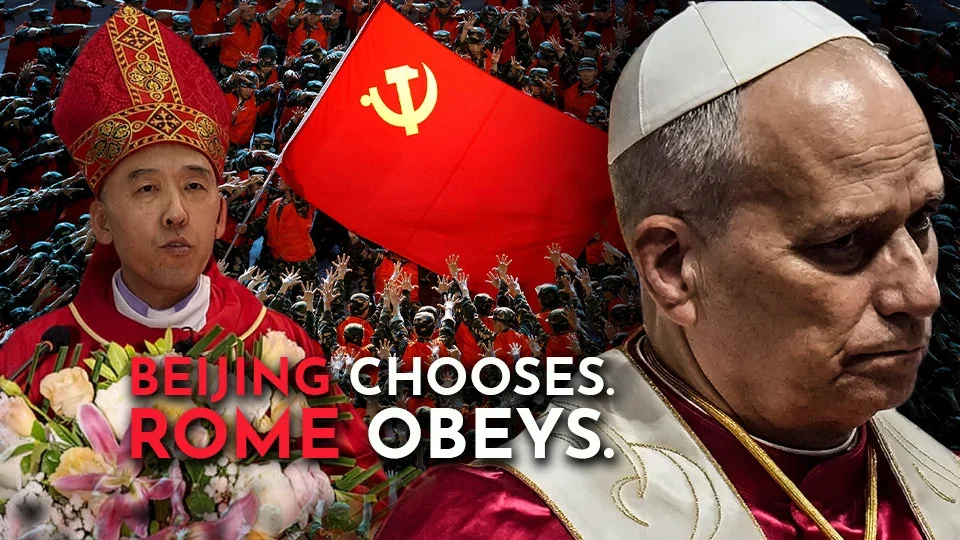
Catholicism’s Surrender to Maoism
Beijing Chooses Communist Bishops. Rome Says Yes.
Beijing has chosen a new Catholic bishop who promoted Communist ideology, participated in Maoist political “re-education,” and dismissed reports of persecution against Catholics in his own diocese. Rome approved him anyway. The consecration of Paul Liu Honggang, argues Gaetano Masciullo, is a shocking example of what the Sino-Vatican agreement has produced: The Communist regime chooses, and Rome goes along with it.