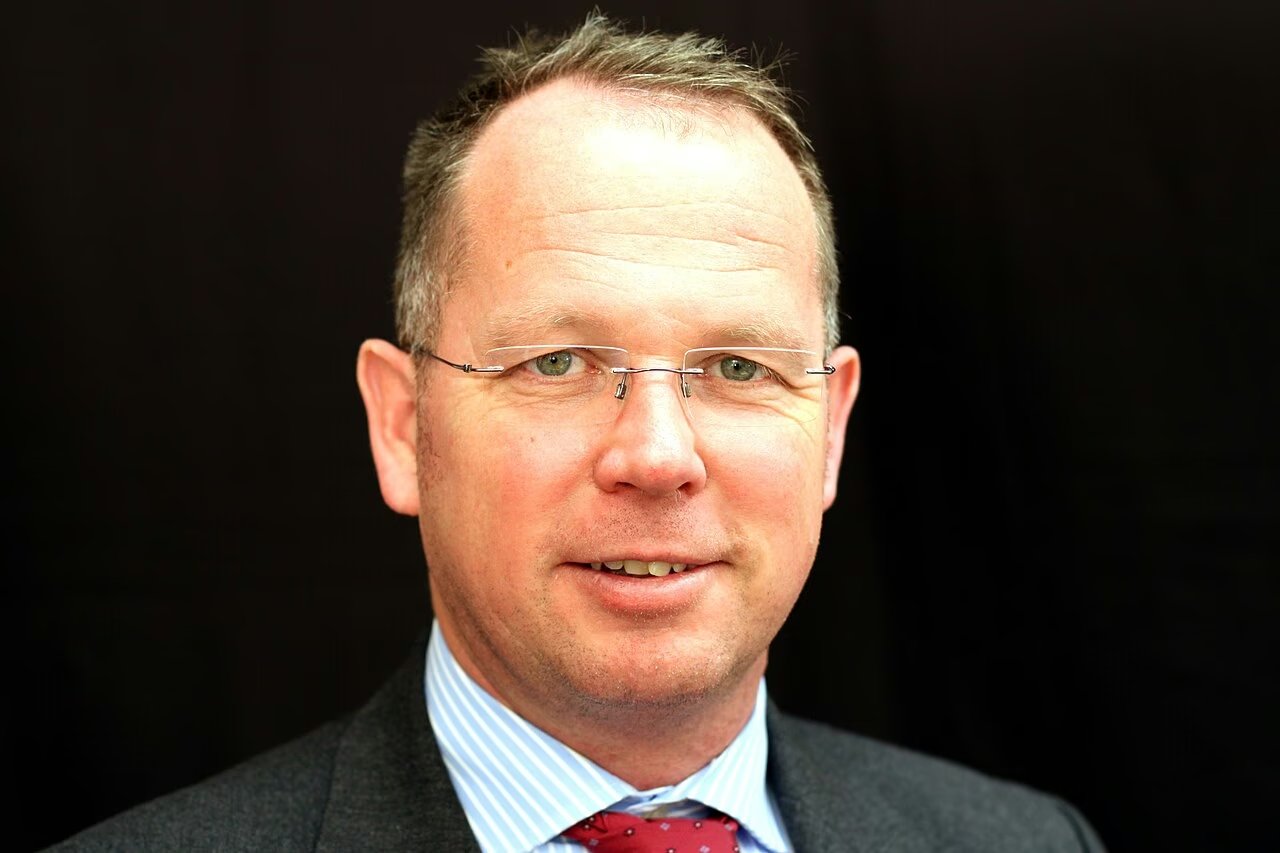
Papst Franziskus bewahrt die Idee der Synodalität, das heißt die Vorstellung, dass die Kirche ein Prozess des Zuhörens, der Beratung und des Ringens ist, sagte der österreichische Jesuit Andreas Batlogg am 17. April gegenüber Kirche-und-Leben.de. Er hat mehrere Bücher über Franziskus geschrieben, darunter eine erste Biographie.
Zum Amazonas-Synodium von 2019 sagte Pater Batlogg, dass Franziskus fast das Zölibat abgeschafft hätte: "Dann gab es einen massiven Rückschlag. Und er bremste ab.
Eine ähnliche Situation ereignete sich beim Synodium über die Synodalität, das ohne Abschlussdokument endete.
Die innere Spaltung der Kirche unter Franziskus ist sehr tief geworden: "Es gab offenen Widerstand, nicht nur hinter den Kulissen".
Bei Léon XIV gab es jedoch "eher einen Tondwechsel als einen grundsätzlichen Bruch", nach Aussage von Pater Batlogg.
Léon XIV präsentiert sich als ruhiger und beherrschter, mit größerer Aufmerksamkeit für Klarheit und traditionellerem Verhalten: "Allerdings geht es dabei in erster Linie um Stilfragen".
Und: "Inhaltlich sehe ich, dass viele Politiken fortgesetzt werden, wie die Synodalität, soziale Fragen und die globale Perspektive."
Pater Batlogg erklärt es so: "Franziskus hat die Türen geöffnet, und Léon beginnt jetzt, die Zimmer dahinter zu organisieren."
 AREAM SUAM
Léon XIV setzt den Weg des Franziskus fort, aber mit anderem Ton
Biograph von 'Franziskus'
Translated from French by AI
Articles on the same topic
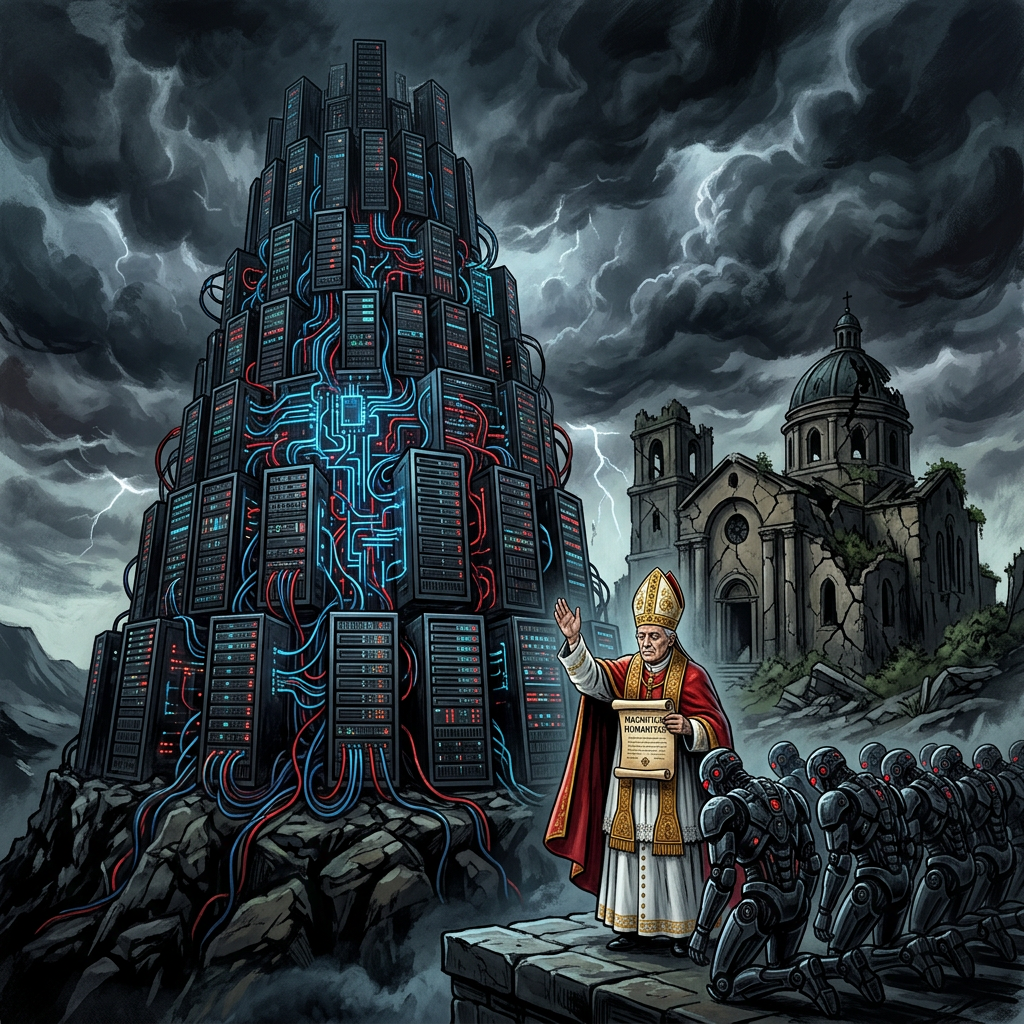
Reflections on the Encyclical «Magnifica humanitas»
Antonio Romano continues his work of exposing Leonine antipapacy with a biting reading of the «encyclical» ‘Magnifica Humanitas’, a superb piece crafted—with the aid of AI—to serve the Antichrist.
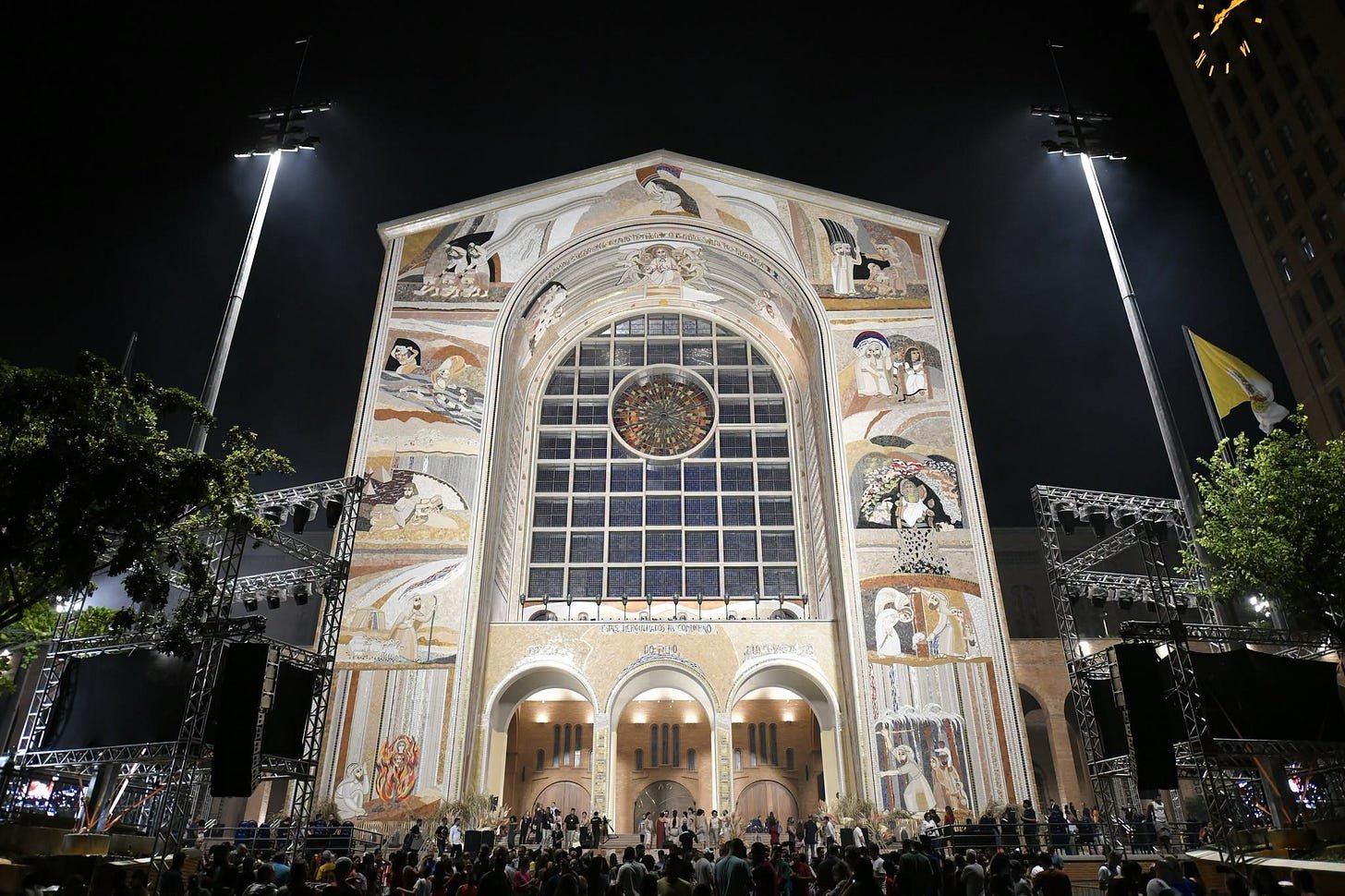
Aparecida in celebration for the mosaics covering those in Lourdes
The pope approves in France the covering of the works by Marko Rupnik, who is under trial for abuse, but blesses the solemn inauguration in Brazil of the basilica façade signed by the Centro Aletti
It seems that the right hand of Pope Leo XIV does not know what the left hand is doing, yet the Church of Rome does not appear concerned about clarifying anything to the faithful or even to the clergy. And yet, no explanation comes to mind.
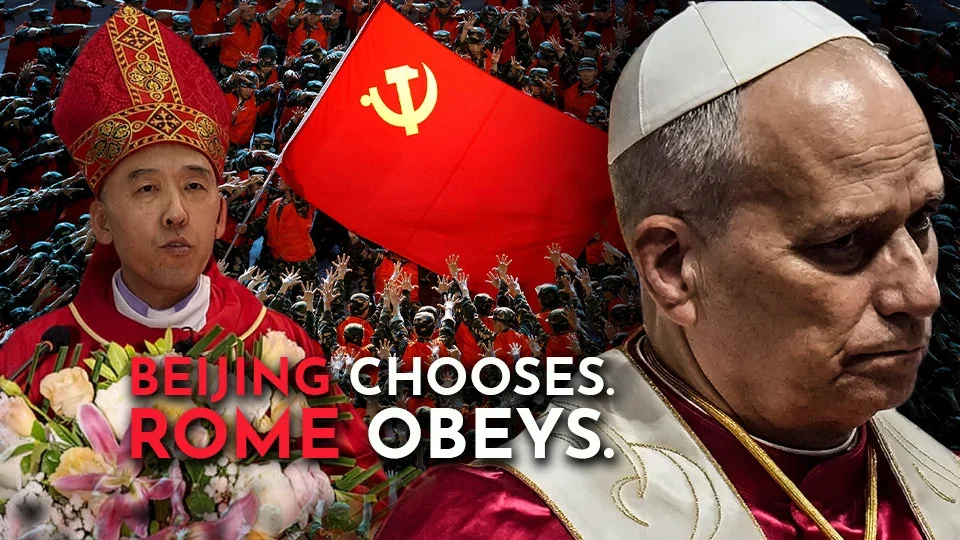
Catholicism’s Surrender to Maoism
Beijing Chooses Communist Bishops. Rome Says Yes.
Beijing has chosen a new Catholic bishop who promoted Communist ideology, participated in Maoist political “re-education,” and dismissed reports of persecution against Catholics in his own diocese. Rome approved him anyway. The consecration of Paul Liu Honggang, argues Gaetano Masciullo, is a shocking example of what the Sino-Vatican agreement has produced: The Communist regime chooses, and Rome goes along with it.